
























Blogs
Espresso Cafe: Elevate Your Coffee Experience with Kaapi Machines
In today’s competitive espresso cafe landscape, serving the perfect cup of espresso is not just an art; it’s a science. At Kaapi Machines, we understand that every espresso shot should be consistently perfect, and the machine behind it plays a critical role. As a leading supplier of coffee machines for cafe businesses, we are proud to offer top-of-the-line equipment that helps you deliver exceptional coffee to your customers, day in and day out. But we don’t stop there—we also provide expert training to ensure your team knows how to get the most from your coffee machines for cafe.
Why Choose Kaapi Machines?
When you choose Kaapi Machines, you’re choosing more than just a piece of equipment – you’re choosing a partnership. We don’t just sell coffee machines for cafe; we equip you with the tools and knowledge to ensure your business thrives. Here’s why so many espresso cafes trust us with their espresso machine needs:
- High-Quality, Durable Machines: We offer a range of commercial-grade coffee machines for cafe operations from leading brands like La Carimali, Rancilio, and La Marzocco. These machines are designed for reliability and consistency, ensuring that every shot of espresso meets your exact standards in your cafe.
- Comprehensive Barista Training: Even the best coffee machines for cafe are only as good as the barista operating them. That’s why we offer extensive training programs that empower your team to master the craft of coffee-making. Our Intensive Crop to Cup Workshop is the perfect place to start, offering in-depth training covering everything from coffee origins to the brewing process. This workshop includes specialized segments like Barista Skills, Latte Art Skills, and Manual Brewing Skills to ensure your team is well-rounded and proficient in all aspects of espresso preparation. After completing our training, your baristas will be equipped with the expertise to maximize the potential of your coffee machines for cafe.
- Tailored Support and Maintenance: We’re here for you long after the sale. With Kaapi Machines, you get access to expert support, quick troubleshooting, and regular maintenance services, keeping your espresso cafe operations smooth and your customers happy.
The Espresso Machines That Drive Success
At Kaapi Machines, we understand that every espresso cafe has unique needs, which is why we offer a diverse range of coffee machines for cafe businesses. Let’s look at some of our premium products:
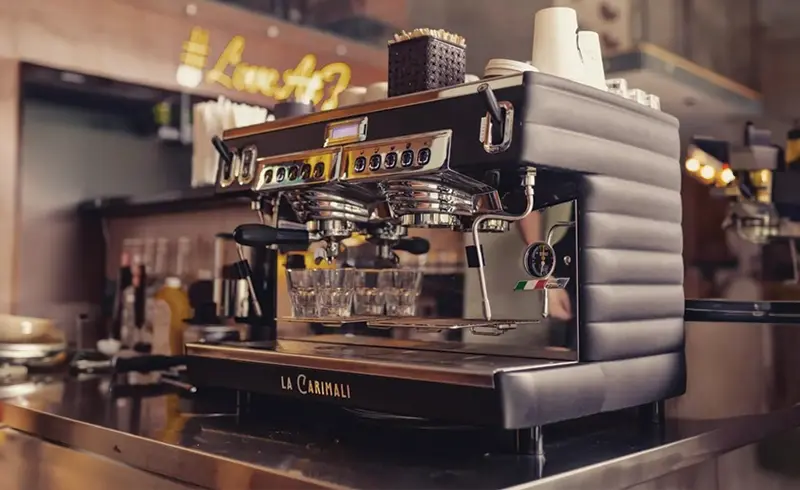
1. La Carimali Bubble 2 Group
The La Carimali Bubble 2 Group is a stylish and functional coffee machine for cafe use, designed to handle the demands of busy cafes. Known for its innovative design, high performance, and ease of use, this machine delivers a premium espresso experience. The advanced brewing technology ensures precision, while the user-friendly interface helps your baristas perform at their best, even during peak hours in your espresso cafe.
2. Rancilio Classe 7
For espresso cafes looking for a powerful, reliable, and efficient coffee machine for cafe environments, the Rancilio Classe 7 is a top contender. This machine combines robust performance with an intuitive interface, making it perfect for high-volume cafes. Its ergonomic design and advanced temperature stability ensure consistent espresso shots with every pull. Plus, its energy-saving features make it a smart investment for your coffee machines for cafe.
3. Rancilio Classe 9 USB
Take your espresso cafe to the next level with the Rancilio Classe 9 USB. This machine boasts cutting-edge technology, including USB connectivity for easy software updates and advanced diagnostics. The Classe 9 USB is built to handle the busiest environments, delivering high-quality coffee with precision and speed. With its customizable features, it’s perfect for espresso cafes looking to optimize their operations while maintaining an exceptional coffee experience with the best coffee machines for cafe.
4. La Marzocco KB90
The La Marzocco KB90 is a game-changer for any espresso cafe. Known for its sleek design and state-of-the-art technology, the KB90 incorporates a revolutionary Straight-in portafilter, making espresso preparation faster and more ergonomic for baristas. This coffee machine for cafe offers unparalleled consistency and quality, making it a perfect fit for high-end cafes. With its durability and iconic style, it’s no surprise that the KB90 is a favorite among espresso professionals worldwide.
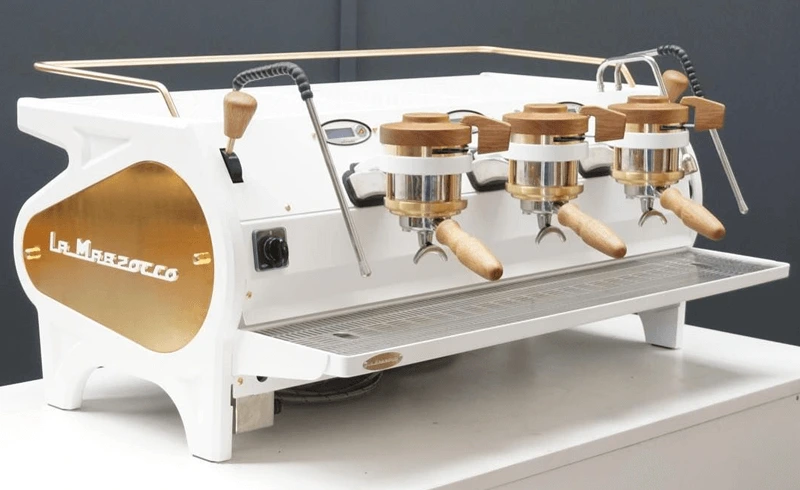
5. La Marzocco Strada S
The La Marzocco Strada S is designed for the serious coffee professional who demands the best. This coffee machine for cafe features individual control over each group head, allowing for maximum customization and precision. Whether you’re experimenting with different espresso recipes or perfecting your signature drinks, the Strada S offers unmatched control and reliability. It’s the ideal machine for espresso cafes that want to push the boundaries of coffee excellence.
6. La Marzocco Linea PB
The La Marzocco Linea PB is a legend in the espresso cafe world. Known for its simplicity, durability, and exceptional performance, this coffee machine for cafe is the backbone of countless cafes globally. With its advanced brewing system and precision-engineered components, the Linea PB ensures that your espresso cafe delivers perfect espresso shots, time after time. Whether you’re serving a handful of customers or handling a busy rush, the Linea PB is built to perform.
How Our Coffee Machines for Cafe Benefit Your Business
Investing in high-quality coffee machines for cafe from Kaapi Machines doesn’t just improve the coffee – it enhances every aspect of your cafe operation. Here’s how:
- Consistency & Quality: Our coffee machines for cafe are engineered for precision, ensuring that every espresso shot is consistent in flavor and quality. This leads to happier customers who know they can count on your espresso cafe for the perfect cup, every time.
- Speed & Efficiency: Busy espresso cafes need coffee machines for cafe that can handle high volumes without compromising quality. Our machines are designed to operate at peak performance, allowing your team to serve more customers in less time.
- User-Friendly Technology: Whether you’re a seasoned barista or just starting, our coffee machines for cafe are intuitive and easy to use. The user-friendly interfaces, advanced brewing systems, and customizable features make training your staff easy, ensuring your team can hit the ground running and deliver exceptional coffee every time.
- Energy Efficiency: Many of our coffee machines for cafe, including the Rancilio Classe series and La Marzocco models, are designed with energy-saving features. This helps them a smart investment for your espresso specialty cafe.
Expert Training That Sets Us Apart
At Kaapi Machines, we don’t just sell coffee machines for cafe – we make sure you and your team are equipped with the knowledge to use them to their full potential. Our Intensive Crop to Cup Workshop is a comprehensive training program designed to cover every aspect of coffee making. Over 14 hours, your team will learn everything they need to know, from the basics of coffee cultivation to brewing the perfect espresso. Our program includes:
- Barista Skills (7 hours): We teach your team the fundamentals of espresso extraction, milk frothing, and creating the perfect shot, ensuring that your espresso cafe consistently delivers high-quality coffee.
- Latte Art Skills (7 hours): Once your team is comfortable with brewing, we focus on perfecting latte art. This is not just a fun addition to your menu, but a way to offer a premium coffee experience that customers will love and return for.
- Manual Brewing Skills (7 hours): We also cover manual brewing techniques like pour-over and French press to give your baristas a well-rounded skill set. This training is designed to help your espresso cafe stand out by offering specialty brews beyond espresso-based drinks.
Conclusion
Choosing the right coffee machines for cafe can be a game-changer for your business, and with Kaapi Machines, you’re choosing more than just equipment – you’re choosing quality, reliability, and expert support. Our range of high-performance coffee machines for cafe from La Carimali, Rancilio, and La Marzocco will elevate your coffee game, while our Intensive Crop to Cup Workshop ensures your team is equipped with the skills to create exceptional coffee.
Invest in the best. Choose Kaapi Machines and take your espresso cafe to new heights.