Choose the Coffee Brewer That Powers Your Filter and Brew Bar

Coffee brewers cover everything that makes coffee outside the espresso machine. Pour over drippers, batch brewers, French presses, AeroPress, drip coffee makers, cold brew systems, nitro cold brew dispensers, and the broader manual brewers and automatic brewers toolkit. They are the second half of every serious specialty coffee programme. A specialty cafe that nails its espresso programme but ignores its filter and brew bar leaves a meaningful chunk of the menu, and the customer experience, on the table. This guide walks through the coffee brewer formats available, the brands that lead each category, the use cases each one fits, and how to choose the right commercial coffee brewer for your operation. The full range is supplied, installed, and supported across India by Kaapi Machines.

Showing 1–12 of 14 results

Product Categories

Frequently Asked Questions About Coffee Brewers

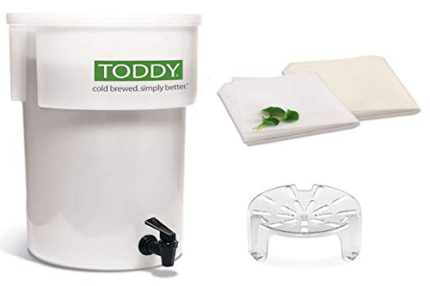
Cold brew concentrate stored refrigerated typically lasts 7 to 14 days after brewing without significant flavour loss, depending on the storage container and temperature. Diluted cold brew that is mixed with water and ready to serve lasts 2 to 5 days refrigerated. Plan brew cycles around expected daily service volume to balance freshness with kitchen workflow. Most cafes brew Toddy cold brew batches every 2 to 3 days during peak summer service.
It depends on the menu position and the team. Manual pour over showcases single origin coffees and signals specialty craft, but each cup takes 4 to 6 minutes of barista time. Batch brew handles high-volume drip coffee in seconds per cup once the batch is brewed, but loses the single origin theatre. Most specialty cafes serve both: batch brew for the house drip option, manual pour over for the rotating single origin menu.



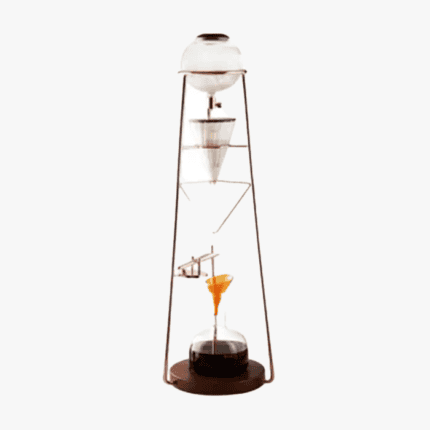
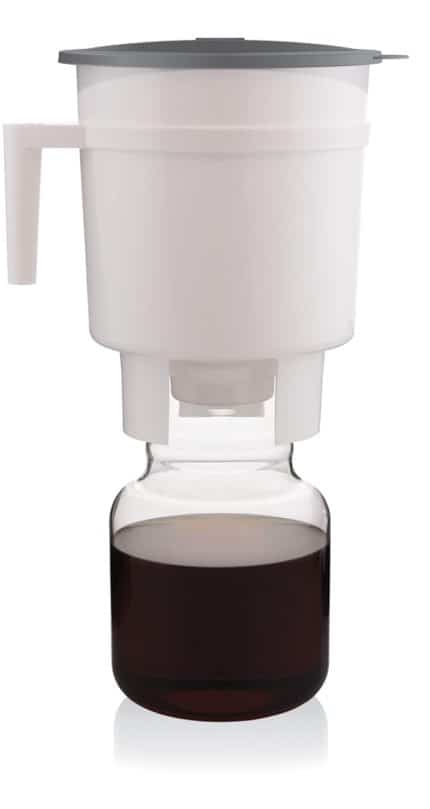
Toddy cold brew typically takes 12 to 24 hours of slow drip extraction at room temperature or refrigerated, depending on the recipe. The cold brew concentrate is then refrigerated and served diluted with water, milk, or over ice. The long extraction time is why cafes brew large batches every 1 to 2 days and store the concentrate for daily service.
You can prepare cold brew without nitrogen infusion, but the on-tap cascading creamy nitro pour that customers expect from a nitro cold brew menu item requires nitrogen infusion through a dedicated dispensing system like Brood. Pre-bottled nitro cold brew is an alternative, but loses the freshness and visual theatre of on-tap service. Cafes serious about nitro on tap need a commercial dispensing system.
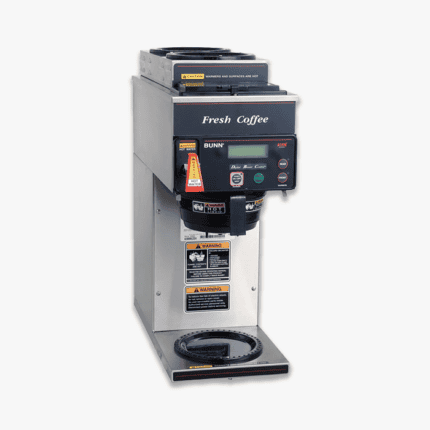
Daily wipe-down of the spray head, brew chamber, and decanter, plus weekly deep clean of the brew components and descaling per the manufacturer’s recommended schedule. Hard water sites need more frequent descaling. Bunn provides clear cleaning protocols for each model and Kaapi Machines trains the host site team on the daily and weekly routine as part of installation.
Manual pour over and filter coffee benefit from a quality burr grinder that produces a uniform medium grind. Specialty cafes typically use a dedicated brew grinder separate from the espresso grinder, since the grind size differs significantly between the two formats. Mahlkonig and Ditting both make excellent brew grinders that pair naturally with manual brewers and batch brewers.
Yes. Our Bangalore Indiranagar office hosts working demos of manual brewers, Bunn batch brewers, and Brood nitro cold brew dispensers. Toddy cold brew systems are demonstrated by appointment with sample cold brew batches prepared in advance. Demos are by appointment so we can dedicate time to your team and the specific menu and volume direction of your operation.
Coffee brewers in stock are typically delivered and installed within 14 to 21 days across major Indian metros. Specialty configurations or specific batch brewer models may extend lead times to 4 to 8 weeks. Cold brew and nitro cold brew systems require additional fridge and gas cylinder coordination that may extend installation by another week. Our team confirms exact timelines at the time of order, including site survey, electrical and water requirements, and a coordinated delivery schedule.