





























Semi-Automatic Coffee Machines
Your Ultimate Guide to Semi-Automatic Coffee Machine
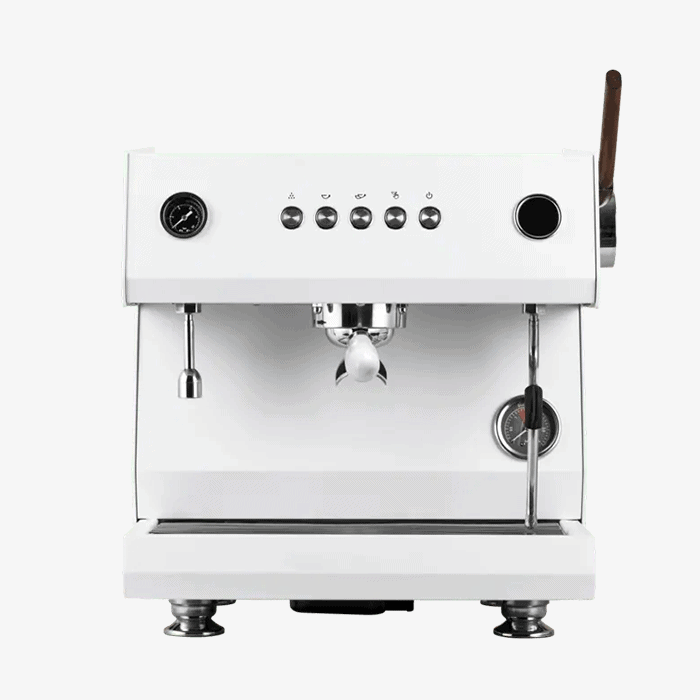
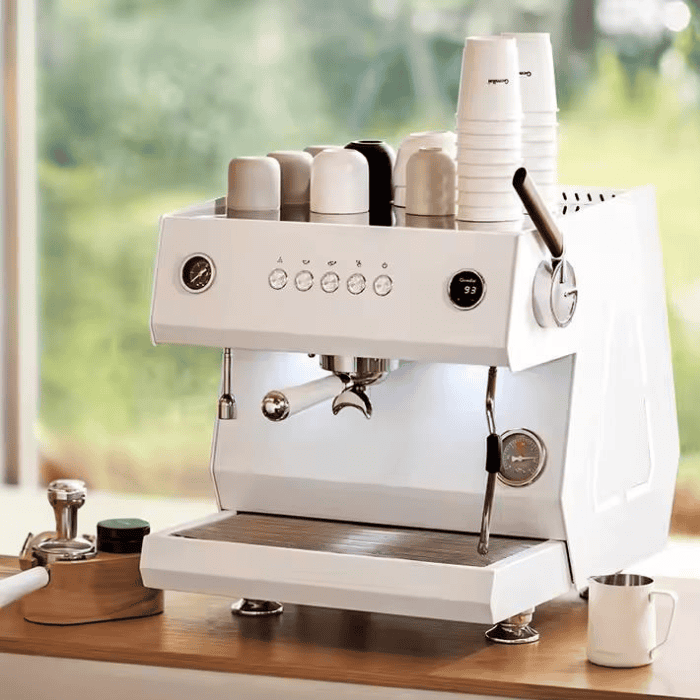
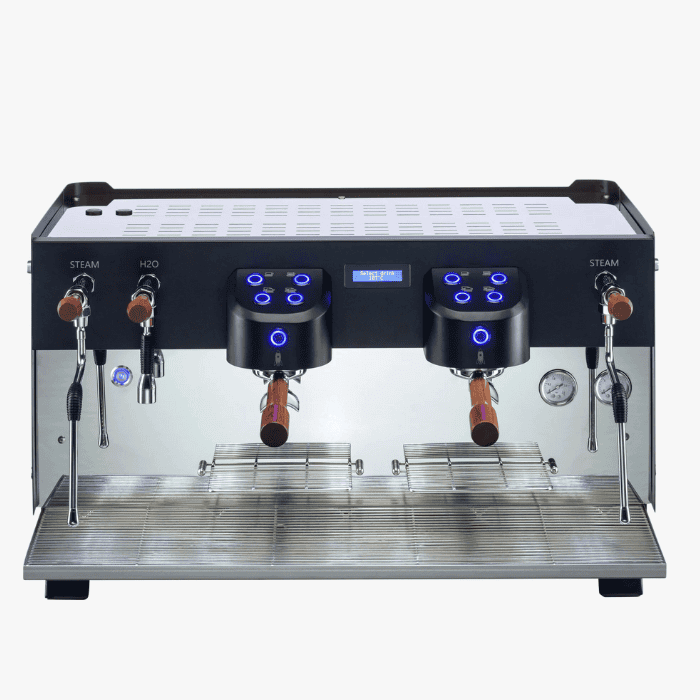
A semi-automatic coffee machine allows manual control of some aspects of the brewing process while automating others. Semi-automatics, as opposed to completely or super-automatic machines, provide you with control over when the extraction process begins and ends. Users can now customize their coffee shots by varying the grind size, tamping pressure, and extraction time—important variables that affect flavor and texture.
In summary, a semi-automatic coffee machine combines professional-level customisation with user-friendliness, giving you the best of both worlds.
What Makes a Semi-Automatic Coffee Machine the Best Option?
More Brewing Control
Users can customize their coffee to their exact specifications with semi-automatic machines. You are in control of whether you choose a light lungo or a powerful ristretto.
Ideal for Learning and Experimentation
A semi-automatic machine is perfect if you’re a coffee enthusiast and want to learn how to make espresso. It teaches you the art and science of making each cup.
Better Espresso
It’s simpler to make coffee at home that tastes like it’s from a café because of your control and specificity. You can make shots that are on par with your favorite barista’s with practice.
Durability and Longevity
Most semi-automatic machines are built with high-quality components like brass boilers and stainless-steel frames. They’re designed to last, making them a long-term investment.
Browse top-rated Semi-Automatic Coffee machines at Kaapi Machines

What Makes a Semi-Automatic Coffee Machine the Best Option?
The following are some strong arguments in favor of purchasing a semi-automated coffee machine:
1. More Brewing Control
Users can customize their coffee to their exact specifications with semi-automatic machines. You are in control of whether you choose a light lungo or a powerful ristretto.
2. Ideal for Learning and Experimentation
A semi-automatic machine is perfect if you’re a coffee enthusiast and want to learn how to make espresso. It teaches you the art and science of making each cup.
3. Better Espresso
It’s simpler to make coffee at home that tastes like it’s from a café because of your control and specificity. You can make shots that are on par with your favorite barista’s with practice.
4. Durability and Longevity
Most semi-automatic machines are built with high-quality components like brass boilers and stainless-steel frames. They’re designed to last, making them a long-term investment.
🔗 Browse top-rated machines at Kaapi Machines
Features of a Semi-Automatic Coffee Machine
Coffee machines are quite expensive. To get the greatest deal on a semi-automatic coffee machine, take into account the following features:
1. Types of Boiler
One Boiler: Takes time to transition between steaming and brewing.
Dual boiler: enables steaming and brewing at the same time, making it ideal for commercial use or hectic mornings.
Heat Exchange: A hybrid system that combines the advantages of both.
2. Quality of Construction
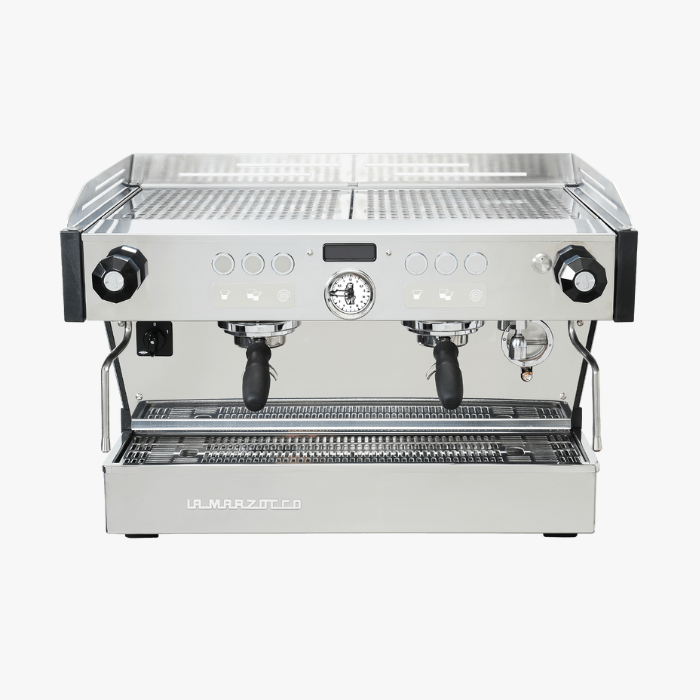
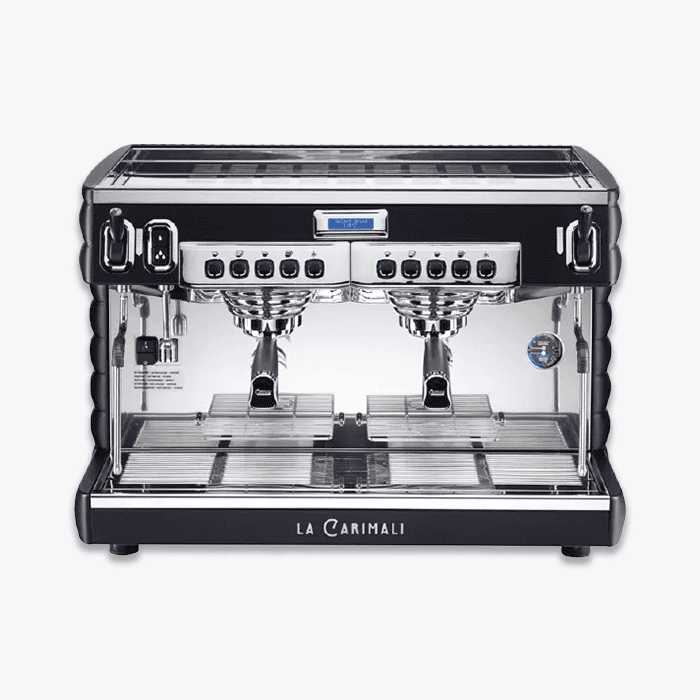
To guarantee durability and reliable operation, look for boilers made of brass or copper, with stainless steel bodies and premium internal parts.
3. Temperature Control using PID
For the ideal espresso extraction, PID controllers keep the water temperature constant.
4. A steam wand
To make lattes, cappuccinos, and other drinks with frothy milk, a good steam wand is necessary.
5. Gauge of Pressure
You may improve your extraction technique by keeping an eye on the brew pressure.
Applications of Semi-Automatic Coffee Machines
Brewing at Home
A semi-automatic machine offers you complete control without being unduly complicated. It is ideal if you’re sick of pod-based equipment and want coffee that tastes better.
Bakeries & Cafés
Ideal for small to medium-sized cafés who wish to provide superior coffee without spending a lot of money on highly automated commercial systems.
Coffee Training and Education
For barista training programs and workshops, semi-automatic machines are essential learning tools.
🔗 See commercial and home-use options at Kaapi Machines
Maintenance Tips for the Longevity of Semi-Automatic Coffee Machines
Your semi-automated coffee machine will continue to provide excellent coffee for many years if it is properly maintained. Here are some low-effort maintenance tips:
Daily Cleaning: After each usage, wipe down the drip tray, group head, and steam wand.
Backflush Frequently: To get rid of coffee residue and oils, use a blind filter and cleaning powder once a week.
Periodically descale: Performance may be impacted by hard water accumulation. Depending on usage, descale every two to three months.
Replace Filters and gaskets: They should be replaced every six to twelve months because they deteriorate with time.
Why Buy Semi Semi-Automatic Coffee Machine from Kaapi Machines?
We at Kaapi Machines provide a carefully chosen range of high-end semi-automatic coffee machines from well-known and trustworthy companies that make good quality coffee machines.
Here’s why you ought to buy from Kaapi Machines:
- Trusted by more than 1,000+ cafés and roasteries trust us.
- Post-purchase assistance and instruction.
- Numerous devices to suit every budget.
- Nationwide service and delivery system.
Our staff of coffee specialists will assist you in finding the ideal machine, whether you’re searching for a small home machine or a commercial-grade setup.
Conclusion
Purchasing a semi-automatic coffee machine is an investment in the world of artisanal coffee, not just a piece of equipment. Enjoy café-quality espresso in the convenience of your kitchen or café with the correct machine, elevating your everyday routine. Visit Kaapi Machines right now for a top-notch selection of equipment and knowledgeable assistance. Awaiting you is the ideal cup of coffee.