


























Blogs
How to choose the Best Coffee Machine for Cafe
The goal of starting a café is to provide customers with an experience they won’t soon forget, not just coffee. And your coffee machine is at the center of that experience. Choosing the best coffee machine for cafe operations can have a significant impact on customer happiness, workflow efficiency, and coffee quality. With years of practical experience in the coffee sector, we at Kaapi Machines provide expert advice and top-notch commercial coffee machines to support the success of companies.
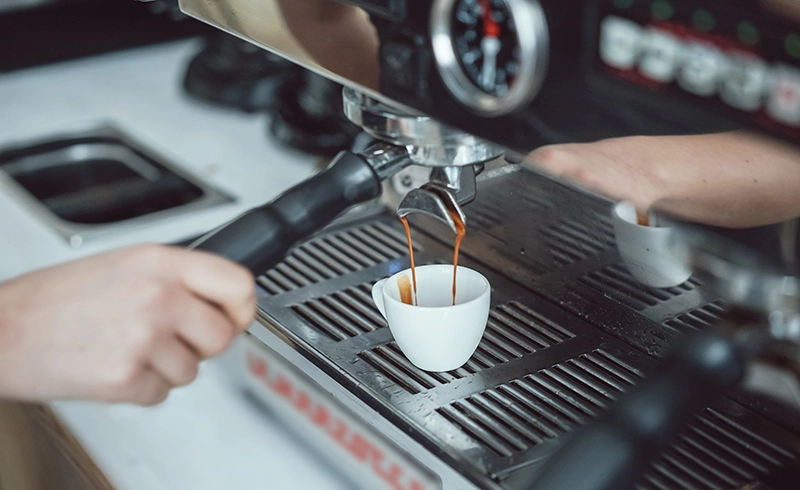
Many things affect the flavour, aroma, and quality of the espresso. The best coffee machine for the cafe will allow a fine adjustment of grind size, pressure, and temperature to improve the flavour, shot after shot. This is why investing in the best coffee machine for cafe operations is crucial to ensure customer satisfaction and operational efficiency. Whether you’re working with coffee machines with grinder options or basic espresso units, the quality of extraction remains key.
Factors to consider before buying a Semi-automatic Coffee Machine:
Espresso quality
The brewing speed
Installation site
The preference of your consumer
Capacity
Longevity & Durability
Once you have narrowed down the factors that mark as a priority for your cafe, you can make an informed decision while choosing the best semi-automatic coffee machine for your cafe.
Semi-automatic machines from Kaapi Machines blend the best of both worlds, i.e., the taste and aroma of handcrafted coffee with the speed and efficiency of state-of-the-art technology. Here are our top three picks for the best coffee machines for cafe that will adjust well with your diverse coffee needs.
Rancilio Classe 7
The Rancilio Classe 7 strikes the perfect balance between functionality and style, making it an ideal choice for cafes looking for performance and reliability. Its ergonomic design and intuitive controls simplify operations for baristas, even during peak hours. With advanced features like multi-functional buttons and a powerful steam wand, this machine ensures that every cup delivers consistent quality. It also boasts energy-saving technology, making it a sustainable choice. These features make the Classe 7 one of the best coffee machines for a coffee shop setup that prioritizes both quality and efficiency.
Rancilio Classe 9 USB
Rancilio Classe 9 USB has simple engineering, and elegance is its popularity quotient of this model. It has been manufactured by using Rancilio LAB’s most efficient and advanced technology. The USB mechanism makes it simple to manage the machine settings. If you want to add glamour to your interiors and uniqueness to your coffee, this is the model to opt for. It’s a complete ‘no-fuss’ unit and is worthy of being considered as one of the best coffee machines for a cafe.
When manual skills are combined with perfect engineering, a semi-automatic coffee machine is born. It is a pretty appliance that is easy to use and also has control over the quality of brewing. People love this machine because it is a crossbreed of human skills and technology. Take a shot at the above models and lock the model that suits your budget and target group. Whether you’re starting fresh or upgrading, these models are among the best coffee machines for cafe success.
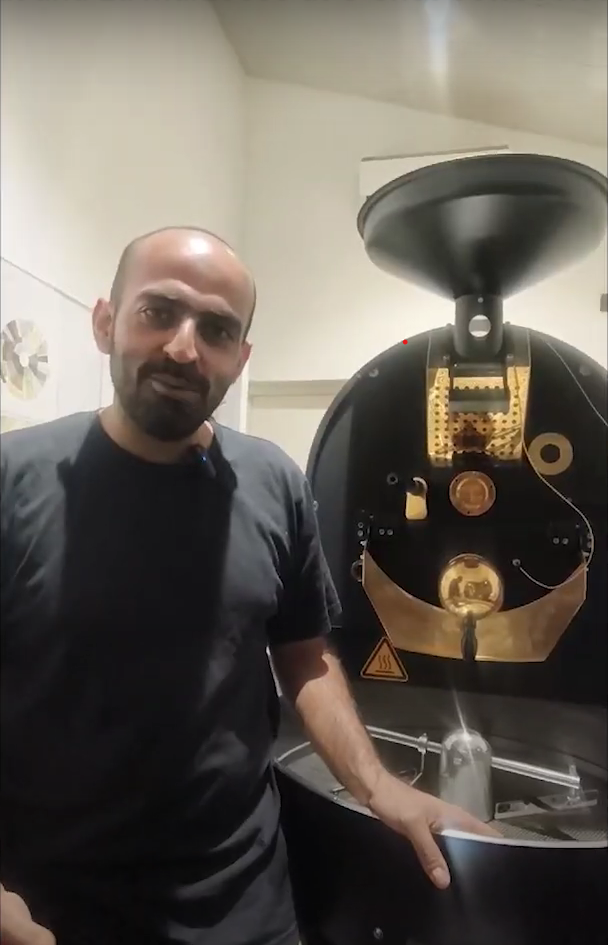
And while you’re building your dream café, don’t forget to explore other essential equipment like coffee blenders, coffee grinders, and coffee roasters to complete your setup and deliver a memorable experience for every cup served.
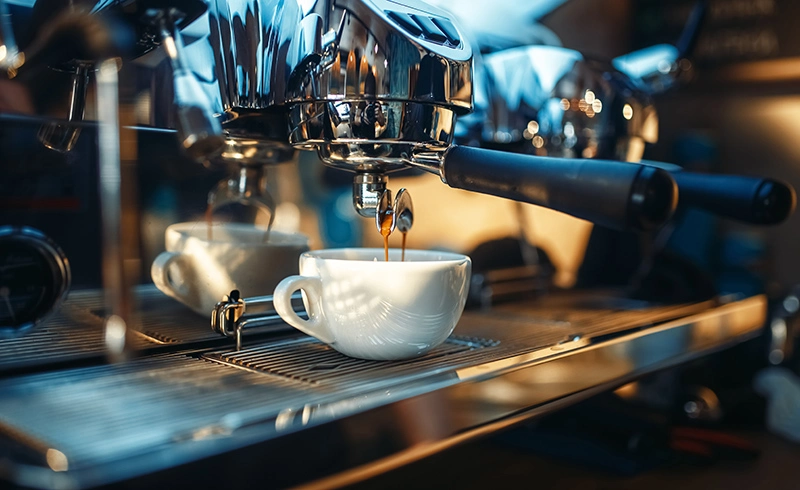
La Marzocco Linea PB
The La Marzocco Linea PB is a masterpiece of simplicity and performance, designed to meet the demands of high-volume cafes. With its sleek, minimalist design and robust build, it adds a touch of elegance to any café interior. This model is equipped with dual boilers, ensuring precise temperature control for consistent espresso extraction. The intuitive interface allows baristas to easily adjust settings, while the advanced pre-infusion system enhances the flavor and aroma of the coffee.
Built for reliability and efficiency, the Linea PB is a favorite among baristas who seek both performance and style. Its energy-efficient design makes it a sustainable choice, further cementing its reputation as one of the best coffee machines for cafe operations.
La Carimali Bubble Group 1
The La Carimali Bubble Group 1 is a perfect blend of simplicity and innovation, making it an excellent choice for cafes seeking style and efficiency. Known for its compact design and robust functionality, this machine is equipped with advanced technology to ensure consistent coffee quality. Its user-friendly interface allows baristas to easily manage brewing settings, making it a highly efficient and reliable option for busy environments.
The Bubble Group 1 stands out for its elegant design, adding a modern touch to any café interior. Its cutting-edge features, including precise temperature control and optimized brewing cycles, ensure every cup of coffee delivers exceptional flavor and aroma. This machine is ideal for those looking to enhance their café’s aesthetics while maintaining top-notch performance, earning its place as one of the best coffee machines for café operations.
La Marzocco Strada
The La Marzocco Strada is a cutting-edge espresso machine designed to meet the demands of modern, high-volume cafés. Known for its sleek, low-profile design, the Strada fosters customer engagement and provides baristas with an open, efficient workspace. Its innovative technology and precision engineering ensure consistently exceptional espresso, making it a top choice for cafés seeking superior performance and style.
This machine features independent boilers for each group head, allowing baristas to set and control different temperatures for optimal extraction of various coffee profiles. The programmable pre-infusion and auto-volumetric functionalities deliver precision and consistency in every shot. Additionally, the proportional steam valve offers enhanced control over milk steaming, ensuring perfect texture and temperature for every cup.
Whether you’re running a bustling café or a specialty coffee shop, the La Marzocco Strada provides the flexibility and control needed to craft unique coffee experiences. Its combination of advanced technology and ergonomic design makes it one of the best coffee machines for cafe setups that prioritize both quality and efficiency.
Why Invest in a Semi-Automatic Coffee Machine?
Running a successful café involves more than just serving coffee; it’s about creating an experience that keeps customers coming back. A semi-automatic coffee machine provides the flexibility to craft each cup to perfection, offering a personalized touch that customers appreciate. These machines strike the perfect balance between automation and manual control, allowing baristas to showcase their skills while maintaining efficiency. For cafes aiming to stand out, having a reliable and high-performance coffee machine is not just a luxury but a necessity.
Benefits of Semi-Automatic Coffee Machines:
- Enhanced Control: Baristas can fine-tune every element of the brewing process, from grind size to water flow, ensuring each cup meets your café’s quality standards.
- Consistency: With built-in features like pressure control and temperature regulation, these machines deliver consistent results, cup after cup.
- Durability: Designed for high-volume use, semi-automatic coffee machines are built to withstand the rigors of a busy café environment.
- Cost-Effectiveness: While the initial investment might be higher, their long-term reliability and efficiency make them a cost-effective choice.
Additional Factors to Consider:
Apart from the basic considerations, here are a few more factors to keep in mind when choosing a semi-automatic coffee machine for your café:
- Ease of Maintenance: Look for machines with self-cleaning features or easy-to-disassemble parts to reduce downtime and maintenance costs.
- Energy Efficiency: Machines with energy-saving modes can help cut down electricity costs, which is especially beneficial for cafes operating long hours.
- Customizability: Some machines allow you to pre-program drink settings, which can speed up service during busy periods.
- Support and Warranty: Ensure that the machine comes with good after-sales support and warranty to address any potential issues quickly.
Why Choose Kaapi Machines?
We take pride in our partnerships with world-renowned brands such as La Marzocco, Rancilio, La Carimali, WMF, Kalerm, Porbat, Anfim, HeyCafe, Ditting, Mahlkönig, Brood, Ripples, BUNN, Budan, Toddy, PUQPress, Tone, Fredda, Harmony, Aillio, and Urnex. These leading brands ensure that we provide you with top-tier, reliable, and innovative coffee solutions for every need, from cafes and restaurants to offices and hotels. Whether you’re looking for the perfect espresso machine, grinder, or brewing equipment, our partnerships with these trusted brands guarantee exceptional quality and performance.
At Kaapi Machines, we provide tailored solutions for diverse needs, including automatic coffee machines, semi-automatic coffee machines, coffee grinders, heavy-duty coffee grinders, coffee machines, coffee roasters, commercial coffee roasters, coffee accessories, coffee equipment, commercial blenders, coffee bean machines, coffee blenders, coffee brewers, coffee vending machines for office, professional coffee machines, manual brewers, espresso machines, cappuccino coffee machines, coffee machines with grinder, coffee brewing machines, espresso machines for café, electric coffee blenders, coffee machines with steamer, fully automatic coffee machines, and specialized espresso machines for café, coffee machines for restaurant, specialty coffee machines, coffee machines for hotels, coffee machines for cafés and offices. From consultation to installation, as well as barista training, we’re here to ensure that your coffee experience is nothing short of extraordinary.
With Kaapi Machines, you don’t just get a coffee machine—you get a partner in brewing excellence. Our expert team is here to guide you through the process of choosing the perfect equipment, ensuring seamless installation, and providing exceptional after-sales support. Let us help you take your coffee experience to the next level, no matter your business size or needs.