

























Pursue Your Passion for Coffee with Barista Courses in India
Embrace the Art and Craft of Coffee Making
Due to the rising demand for fine coffee and well-made beverages, the Indian coffee training industry is flourishing. Kaapi Machines provides extensive barista training courses that explore the skill and artistry needed to become an expert in the trade. These courses give prospective baristas the tools they need to succeed in the field, covering everything from the principles of espresso extraction to sophisticated latte art methods.
Kaapi Machines ensures, through its barista course in India, that participants thoroughly understand coffee origins, brewing techniques, and flavour profiling by fusing academic knowledge with practical experience. With hands-on exposure to professional espresso equipment, coffee machine with grinder, and coffee accessories, learners gain confidence in using the essential tools of the trade.
Whether you're an aspiring home barista or preparing to manage coffee machines for a café, these training sessions offer a unique chance to hone your talents. Enrol in specialised courses offered in India to discover the rewarding path of becoming a proficient barista—equipped not just with knowledge, but with real-world experience handling the best coffee machines for café environments.
Why choose your Premium Coffee Machines from Kaapi Machines?
Comprehensive Barista Training Programs
Discover the range of barista training courses offered by Kaapi Machines, designed to accommodate individuals with varying levels of experience. Our courses strike the perfect balance between hands-on training and theoretical knowledge, a combination that is crucial for success in the coffee industry. Whether you’re a novice eager to learn more about coffee or a seasoned barista looking to refine your skills, our training programs are tailored to meet your specific needs. Learn about brewing techniques, latte art, and espresso extraction, while honing the talent and artistry required to excel in the field. Join us and elevate your coffee-making skills to new heights.
INTENSIVE CROP TO CUP WORKSHOP
Intensive Crop to Cup Workshop – 14 hours
- In-depth session on Coffee History and Coffee in India
- About Green Beans – Origin, Processing, Grading, Transportation & Storage, Roasting & Blending.
- Tasting and Cupping
- Grinder Calibration (Espresso & Manual Brewing)
- Understanding Barista Workstation
- Espresso basics
- Milk Frothing & Latte Art
- Manual Brewing
BARISTA SKILLS
Barista Skills – 7 Hours
- Basics of – Coffee, Processing Methods, Roasting, Blending, Tasting
- Calibration of Semi-Automatic Machine & Grinder
- Preparation of Espresso, Dosing, Grinding, and Tamping
- Classic Menu – Theory and Practice
- Latte Art – Basics
- Cleaning of Machines and Accessories
MANUAL BREWING
Manual Brewing Skills – 7 Hours
- Understand the Beans, Roast, Origin
- Tasting and Cupping
- Grind size, Time and Temperature
- Brewing Equipment and its technique
- Build Expertise in 4 types of Manual Brew
- Use one coffee to understand changes based on different variables
Specialised Latte Art Workshops
At Kaapi Machines, we understand that a great cup of coffee results from the machine’s precision and sophistication and the barista’s skill, understanding and creativity. Apart from the best-in-market coffee-making solutions, we also offer extensive barista and espresso training for new café owners, café staff, coffee aficionados, baristas and anyone who wants to learn the art of making a good cup of coffee.
LATTE ART
Latte Art Skills – 7 Hours
- Basics of – Coffee, Blend, and Cappuccino
- Espresso techniques – Grinding and Tamping
- Frothing – SCA standards
- Basic rules of latte art: high and steady
- Making of Latte Art
- Use of the stylus and the squeezer
Elevate Your Coffee Career with Expert Guidance
Expert-Led Instruction
With the barista training classes Kaapi Machines offers, you can advance your profession and coffee abilities while receiving expert-led instruction. Proficient baristas and coffee experts lead our classes, offering their invaluable knowledge, skills, and recommended procedures. Our extensive training programs provide the fundamental knowledge and practical experience required for success in the coffee industry, regardless of your experience as a barista. Reach your professional objectives in coffee with confidence and competence by learning the skill and accuracy of coffee manufacturing, from espresso extraction to sophisticated latte art. Become a professional at Kaapi Machines and make your love of coffee perfect.
Mentorship and Support
At Kaapi Machines, you get unmatched training support and mentoring. Our barista training programs include individualised coaching from seasoned professionals committed to your success. Gain knowledge-based criticism, insightful analysis, and ongoing support as you advance through your barista training. Our knowledgeable mentors are here to assist you at every stage, regardless of your experience level or desire to improve your abilities. At Kaapi Machines, we value development and cultivating talent to provide you with the skills and self-assurance required to succeed in the coffee business. Come along and turn your love of coffee into a successful career.
Hands-On Learning Experience
Practical Training Modules
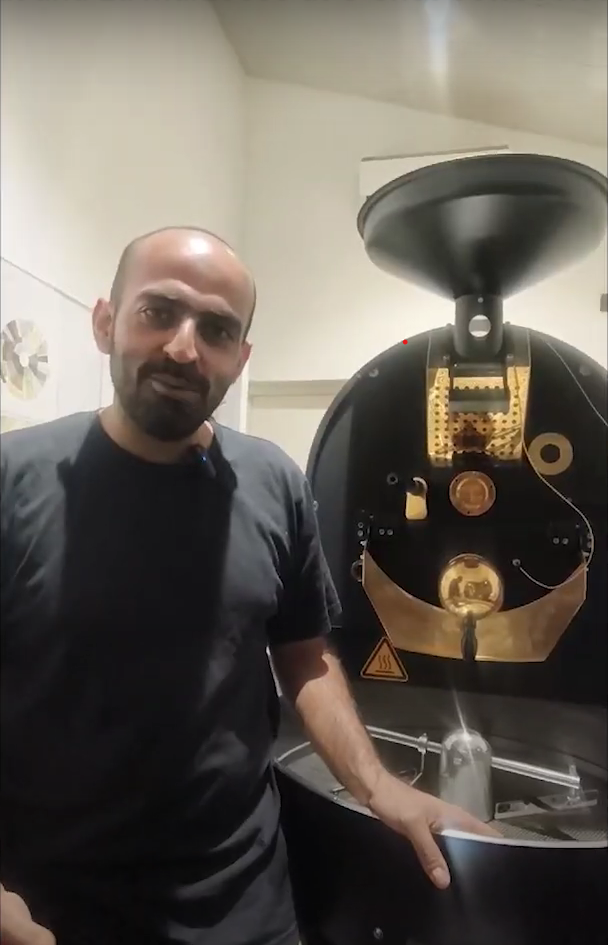
At Kaapi Machines, participate in hands-on training modules that replicate real-world situations and offer an engaging educational experience. Our barista training programs emphasise practical experience, enabling you to improve your skills in handling coffee machines, using essential barista tools, and delivering exceptional customer service. Each session is designed to mirror the challenges and pace of a working coffee shop, ensuring you build both confidence and real-world knowledge.
With access to state-of-the-art coffee equipments and expert-led sessions, trainees gain a deep understanding of equipment operation and maintenance. You’ll receive individualised feedback and coaching in our supportive learning environment, empowering you to become an expert coffee maker. Join Kaapi Machines and take your skills to the next level with our comprehensive, hands-on training program.
Interactive Workshops and Demonstrations
Our interactive workshops and demonstrations are crafted to provide aspiring baristas with direct exposure to the most advanced coffee machines and industry-standard coffee equipments. These sessions are led by seasoned professionals who not only showcase techniques but also guide you in mastering the use of essential barista tools like tampers, milk frothers, and grinders.
At Kaapi Machines, we believe in learning by doing. That’s why our workshops are designed to be engaging, immersive, and practical. You’ll have the opportunity to explore different brewing methods, learn advanced espresso techniques, and refine your latte art—all using premium coffee equipments. These workshops are ideal for those who want to experience real café operations in a controlled training environment.
Join a Vibrant Barista Community
Networking Opportunities
Through the networking events, online forums, and social media groups offered by Kaapi Machines, connect with other coffee lovers and professionals in the business. Within the coffee community, these platforms provide a means to exchange experiences, acquire knowledge, and cultivate meaningful connections. Participate in debates, work together on initiatives, and keep abreast of the most recent developments and trends in the coffee business. Kaapi Machines assists you in broadening your network, improving your expertise, and developing personally and professionally in the coffee industry by creating a friendly and engaged community.
Enroll in Barista Courses Today
At Kaapi Machines, we understand that a great cup of coffee results from the machine’s precision and sophistication as well as the barista’s skill, understanding and creativity. Apart from the best-in-market coffee-making solutions, we also offer extensive barista and espresso training for new café owners, café staff, coffee aficionados, baristas and anyone who wants to learn the art of making a good cup of coffee. Our espresso and barista training is centred on engagement and innovation that will help you run through the coffee-making process step by step. Understand everything that goes into a specialty coffee drink- Learn brewing methods, latte art, coffee flair & lots more through hands-on barista and espresso training with expert instructors.
Enroll in Barista Courses Today
At Kaapi Machines, we understand that a great cup of coffee is the result of the machine’s precision and sophistication combined with the barista’s skill, understanding, and creativity. That’s why we offer not only the best-in-market coffee-making solutions but also an extensive Barista Course designed to elevate your coffee-making expertise. Whether you’re a new café owner, a café staff member, a coffee aficionado, or an aspiring barista, our Barista Course provides the knowledge and skills needed to create exceptional coffee.
Our Barista Course is centred on engagement and innovation, taking you step by step through the coffee-making process. Learn the intricate details of what goes into crafting a specialty coffee drink, from mastering brewing methods to perfecting latte art and coffee flair. With hands-on training led by expert instructors, our Barista Course ensures you gain practical experience and confidence in creating a variety of coffee beverages.Through our Barista Course, you will understand how to use espresso machines effectively, explore different brewing techniques, and learn the secrets behind professional-grade coffee preparation. This comprehensive training not only enhances your skills but also prepares you to deliver exceptional coffee experiences to customers.Whether you’re looking to start your own café or simply want to deepen your understanding of coffee, our Barista Course covers all the essentials and more. Discover how to make espresso-based drinks, create stunning latte art, and even learn the art of customer service in a café environment.
At Kaapi Machines, our Barista Course is more than just training—it’s an opportunity to explore the art and science of coffee. Join us to gain valuable insights, practical skills, and the confidence to make every cup a masterpiece. Sign up for our Barista Course today and start your journey toward becoming a skilled coffee expert.
FAQ's
What is included in a barista course in India?
A barista course in India typically includes training on coffee bean selection, roasting techniques, espresso extraction, milk frothing, and latte art. It covers brewing methods, equipment handling, and customer service skills. Courses often combine theoretical knowledge with hands-on practice to ensure comprehensive learning and skill development.
How long does a typical barista course in India last?
These are the tenures of the courses:
- Intensive Crop to Cup Workshop – 14 hours
- Barista Skills – 7 Hours
- Latte Art Skills – 7 Hours
- Manual Brewing Skills – 7 Hours
Are there different levels or certifications offered in barista courses?
These are the certifications available:
- Intensive Crop to Cup Workshop
- Barista Skills
- Latte Art Skills
- Manual Brewing Skills
What are the prerequisites for enrolling in a barista course in India?
There are no prerequisites for enrolling, just a curious coffee mind.
Where can I find reputable institutions or schools offering barista courses in India?
At Kaapi Machines, we understand that a great cup of coffee results from the machine’s precision and sophistication as well as the barista’s skill, understanding, and creativity. Apart from the best-in-market coffee-making solutions, we also offer an extensive barista certificate course, along with espresso training, for new café owners, café staff, coffee aficionados, baristas, and anyone who wants to learn the art of making a good cup of coffee.