

























Blogs

A Complete Buying Guide to Commercial Coffee Machines for Cafe Operators in India
Commercial coffee machines for cafe use cover a wider category than most first time cafe operators realise. The category includes traditional espresso machines, bean to cup automatics, batch brewers, dedicated grinders, cold brew and nitro systems, and several specialty machine types. A cafe rarely runs on a single machine; a working specialty cafe equipment stack usually involves 4 to 6 distinct units across categories that need to be specified together. Our full coffee machines for cafe catalogue covers every category a working cafe needs across price tiers, with brand pairings calibrated to the volume and craft level the cafe is positioning around.
What Counts as a Commercial Coffee Machine for Cafe Use
Commercial coffee machines for cafe operations differ from home machines on three measurable dimensions: throughput capacity (commercial machines handle hundreds of cycles a day where home machines manage tens), build longevity (commercial machines last 10 to 20 years in cafe service where home machines last 3 to 7), and serviceability (commercial machines have replaceable parts and accessible internals for trained technicians). These differences justify the higher price points commercial equipment commands.
Price is a poor proxy for commercial classification. Some prosumer machines cost more than entry level commercial units, but a prosumer machine running cafe service hours will fail far earlier than a properly specified commercial unit at lower cost. The first decision when buying commercial coffee machines for cafe service is to verify the equipment is genuinely rated for commercial duty, not just expensive enough to feel commercial.
Categories of Commercial Coffee Machines for Cafe Operations
Traditional Espresso Machines
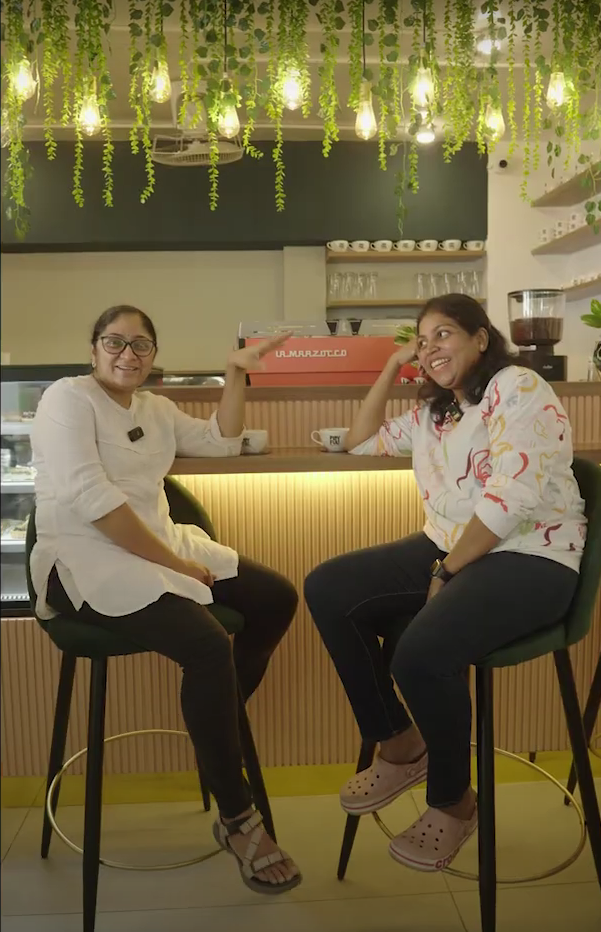
Traditional espresso machines pull pressurised hot water through a puck of coffee to extract espresso shots. They include a steam wand for milk based drinks (cappuccino, latte, flat white) and produce the cup quality that defines the specialty cafe category. Italian commercial brands dominate this segment, with semi automatic coffee machines from La Marzocco, Rancilio, and La Carimali forming the bulk of cafe installations across the Indian specialty industry.
Bean to Cup Automatic Coffee Machines
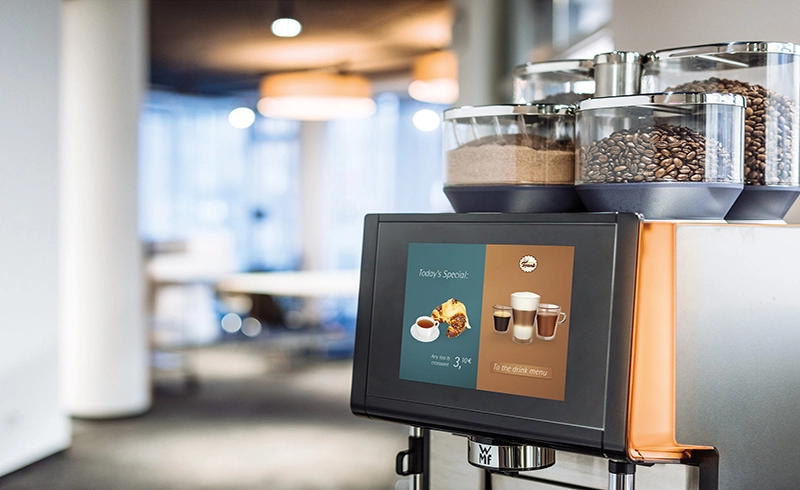
Bean to cup machines automate the espresso pulling and milk steaming process behind a single button press. They suit cafes where consistency matters more than craft, where staffing is rotational rather than skilled barista based, or where the cafe runs alongside another business (bakery, restaurant, hotel lobby). Fully automatic bean to cup machines from WMF and Kalerm dominate the Indian commercial bean to cup market across hotel, office, and high traffic cafe deployments.
Commercial Coffee Brewers
Batch brewers produce filter coffee in volumes of 1 to 12 litres at a time, served from urns or insulated dispensers. Specialty cafes use batch brewers for filter coffee menus, conferences, and wholesale event supply; hotels and offices use them for self serve coffee programmes. Bunn commercial brewers and other commercial coffee brewers cover the range of batch volume requirements that show up across Indian cafe and hospitality operations.
Commercial Coffee Grinders
Commercial grinders are sold and operated as separate equipment from espresso machines, even though they work as a pair. The grinder determines extraction quality through grind size consistency, retention, and dosing accuracy. Commercial cafe grinders sit in a category as serious as the espresso machine itself, with espresso grinders from Mahlkonig, Anfim, and Heycafe forming the bar grinder slot across most specialty cafes in India.
Cold Brew and Nitro Systems
Dedicated cold brew brewers and nitro tap systems form the cold brew portion of the menu. Cold beverages are a growing share of Indian cafe revenue, and dedicated commercial coffee machines for cold brew production are becoming standard equipment for cafes targeting younger and health conscious demographics. Brood Nitro Cold Brew systems anchor the nitro tap category, paired with Toddy brewers for the cold brew base.
Specialty and Manual Brewing Equipment
Specialty cafes also stock manual brewing equipment for pour over and immersion brewing service: V60 setups, Chemex carafes, AeroPress, Clever Drippers, French presses, and the kettles and scales that go with them. While not strictly commercial coffee machines, they form part of the equipment stack for any cafe with a manual brew bar.
How to Match Commercial Coffee Machines to Your Cafe Format
The right combination of commercial coffee machines depends on your cafe format more than on your budget. Three core formats cover most Indian cafe operations and each calls for a distinct equipment stack. Our cafe solutions team typically scopes the full stack alongside the bar layout and projected cup volume before recommending specific machines.
Specialty cafe (espresso led, craft positioning). Two group traditional espresso machine, two espresso grinders (one main, one decaf or alternate), shop grinder for retail beans, optional batch brewer for filter coffee, optional cold brew kit. Investment range: 8 to 25 lakh in equipment depending on brand tier.
Popular cafe (volume led, broad menu). Two or three group espresso machine, two espresso grinders, batch brewer, blender for cold drinks, optional bean to cup as backup or self serve. Investment range: 6 to 18 lakh.
Bakery or kiosk format (limited space, high consistency). Bean to cup automatic for primary service, optional one group semi automatic for branded specialty drinks, single grinder. Investment range: 3 to 10 lakh.
What Indian Cafe Operators Should Check Before Buying Commercial Coffee Machines
Six checks separate cafes that get long reliable service from their commercial coffee machines from those that struggle with breakdowns, spare parts delays, and shorter than expected equipment life.
Water quality and filtration. Indian metro water hardness ranges from 200 to 400 ppm, well above the 50 to 100 ppm range commercial coffee machines are designed for. Properly sized water filtration is non negotiable and should be specified alongside the machine purchase, not as an afterthought.
Voltage stabilisation. Indian grid voltage swings damage the electronic boards in modern commercial coffee machines. A voltage stabiliser sized for the machine protects the electronics from cumulative damage. The stabiliser is small money compared to a damaged board.
Service network in your city. Verify before buying that the brand has trained service technicians and parts inventory accessible to your city. A great machine with no local service is worse than a good machine with strong service. Kaapi Machines maintains a service network across all major Indian cities for the brands we stock.
Power phase and load. Larger commercial coffee machines require three phase power and dedicated electrical circuits. Confirm your cafe location has the power infrastructure before specifying the machine; retrofitting electrical capacity into an existing space is expensive and time consuming.
Counter space and workflow. Two and three group espresso machines require specific counter depths and clearances. Plan the equipment layout alongside the cafe interior design so workflow and machine placement align from day one.
Ongoing consumables and cleaning. Espresso machines need group head cleaners, descalers, and milk system sanitisers regularly. Plan a cleaning products inventory from launch rather than after the first scheduled service appointment. Urnex and other commercial cleaning lines cover all major brands.
Service and Maintenance for Commercial Coffee Machines
Service intervals vary by machine type and volume. Traditional espresso machines need monthly back flushing of group heads, weekly steam wand deep cleaning, quarterly water filter replacement, and annual professional service. Bean to cup machines need daily auto cleaning cycles run by the machine, weekly milk system deep cleaning, and quarterly professional service. Grinders need burr inspection and adjustment every 3 to 6 months and burr replacement every 12 to 24 months under typical cafe load.
Service cost over a 10 year machine life typically totals 15 to 30 percent of the original purchase cost, spread across parts and labour. Cafes that maintain proper service schedules see this as predictable operating expense; cafes that skip service see this as unexpected breakdowns and emergency repair calls.
Kaapi Machines provides AMC (annual maintenance contract) options for most commercial coffee machine categories we stock. AMC contracts cover scheduled service, priority response on breakdowns, and parts inventory at predictable cost. Most cafe operators prefer AMC over reactive service for budgeting reasons alone, leaving aside the equipment longevity benefits.
Brands of Commercial Coffee Machines Stocked at Kaapi Machines
The brand portfolio at Kaapi Machines covers every category a working cafe needs. Below is the lineup by category, with brand specific pages linked for full model details.
Premium traditional espresso. The benchmark across global specialty cafes is La Marzocco, with the Linea PB, GB5, and KB90 models forming the workhorse choices for craft positioned cafes in India.
Mid tier traditional espresso. The Italian heritage brand Rancilio covers the entry to mid commercial range with the Classe 5, Classe 7, and Specialista families, widely deployed across popular cafes and bakery cafe formats nationwide.
Versatile commercial range. Italian builder La Carimali offers traditional and bean to cup hybrid models that suit cafes with mixed service formats or transitional menus, including kiosk and bakery setups that need both manual and automatic capability on a single bar.
Bean to cup automatics, hotel grade. German engineering from WMF anchors the premium hotel and self serve commercial category, with milk system integration and cleaning cycle automation tuned for non barista staffed environments.
Bean to cup automatics, office and volume. The Kalerm range covers office, hotel back of house, and self serve cafe formats, with models from compact countertop units through high volume floor standing machines for busy office and cafeteria deployments.
Commercial grinders. The bar grinder slot is dominated by Mahlkonig across the specialty segment, with Anfim, Ditting, and Heycafe covering the broader range from espresso through shop and high volume retail use.
Cold brew systems. Cold brew base extraction runs through Toddy commercial cold brew brewers in most Indian specialty cafe installations, with nitro infusion added through dedicated nitro tap systems for cafes serving nitro cold brew on the menu.
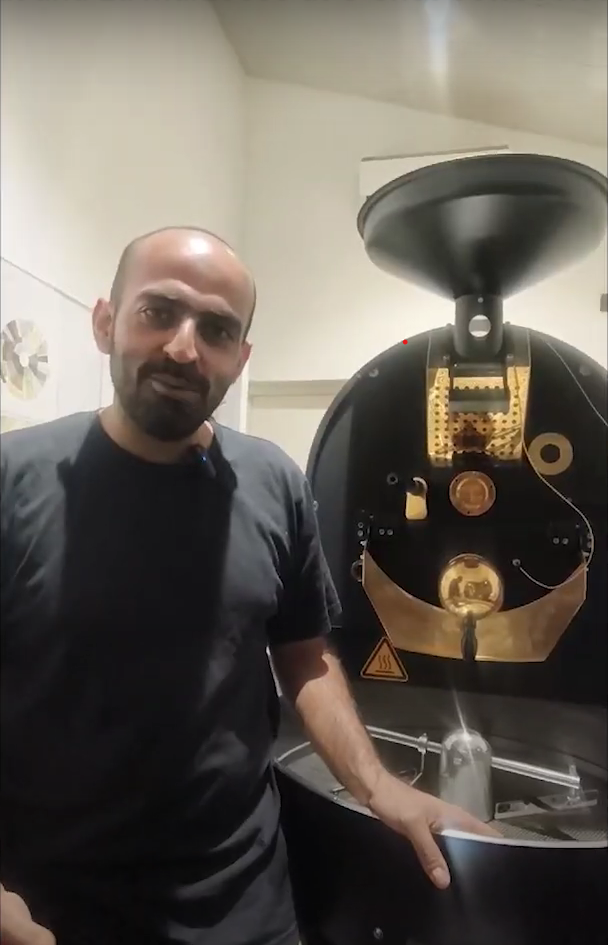
Coffee roasters. Cafes adding their own roasting work with Probat coffee roasters as the global standard, used by leading specialty roasteries worldwide. Probat machines anchor cafe roastery programmes from compact sample roasters through production scale drum roasters.
Cold beverage prep. Blenders for cold beverage and frappe service are anchored by Vitamix across most Indian specialty cafes that serve a meaningful cold beverage menu. Vitamix machines handle the ice and frozen ingredient loads that consumer grade blenders cannot sustain across cafe service hours.
Cleaning products and consumables. Daily and weekly cleaning across the equipment stack runs on Urnex formulations, with separate products for espresso group head cleaning, milk system sanitisation, grinder cleaning, and cold brew line cleaning. The full range is stocked alongside the machines so cafes have matched consumables from day one.
Why Buy Commercial Coffee Machines from Kaapi Machines
Three reasons explain why most established Indian specialty cafes source their commercial coffee machines through Kaapi Machines rather than direct from individual brands.
Curated brand portfolio across categories. A cafe needs equipment from 4 to 6 different brands across espresso machines, grinders, brewers, and cold brew systems. Sourcing through one supplier with all these brands simplifies procurement, payment, training, and ongoing service relationships compared to managing five separate brand relationships.
National service network. Kaapi Machines maintains trained technicians and parts inventory across major Indian cities, which means service response times and parts availability are predictable across all the brands we stock.
Cafe specific expertise. Our team works with cafe operators specifically and understands the equipment combinations, workflow patterns, and service realities that differ from general food service equipment supply. The cafe consulting practice integrates equipment supply with broader cafe launch and operational support so the equipment decision lands inside a coherent cafe strategy.
Common Mistakes Indian Cafes Make When Buying Commercial Coffee Machines
Repeated patterns show up across cafe launches that struggle with their commercial coffee machines in the first 24 months. Recognising these patterns helps new cafe operators avoid them.
Buying based on aesthetics over function. A beautiful espresso machine on the bar matters for cafe atmosphere, but cafes that prioritise visual impact over technical fit often end up with equipment that looks great and underperforms. Pull the trigger on equipment that fits your volume and workflow first; aesthetic considerations come second.
Underspecifying for peak hour. Cafes plan equipment for daily averages and then struggle during peak service when 60 percent of daily volume happens in 4 hour windows. Two group machines that handle daily averages comfortably can become bottlenecks at peak hour. Specify for peak hour throughput, not daily volume averages.
Ignoring water quality during specification. Water filtration is treated as an afterthought added after the machine is installed, when it should be specified alongside the machine purchase. Cafes that install machines on unfiltered Indian water see service issues within 6 to 12 months from scale buildup that proper filtration would have prevented.
Skipping the grinder upgrade. Cafe operators often invest heavily in the espresso machine and pair it with a basic grinder, then discover the grinder is the actual bottleneck on cup quality. The grinder is half of the espresso system. Match grinder quality to machine quality rather than treating it as a smaller decision.
Not budgeting for ongoing service. Service costs over machine life total 15 to 30 percent of purchase price. Cafes that did not budget for this find ongoing maintenance feels expensive when it is actually predictable operating cost. Plan for service from the original equipment specification.