
























Blogs
What Should a Serious Cafe Training Course in India Actually Teach You?
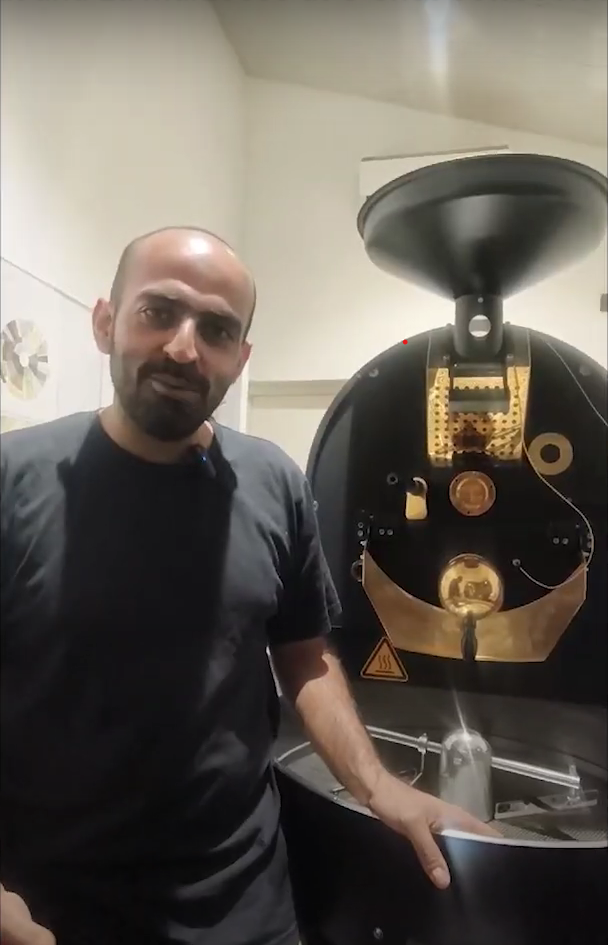
A serious cafe training course in India should cover the complete crop-to-cup journey on commercial equipment, including coffee origins, green bean knowledge, espresso work, milk texturing, manual brewing, and sensory training. Anything less is a hobby workshop, not professional barista training.
Key Takeaways
- A complete cafe training course covers the full crop-to-cup spectrum, not just a single skill in isolation. Short workshops cover one topic, not the full stack.
- The curriculum should follow SCA-aligned standards covering green beans, extraction science, espresso, milk, manual brewing, and sensory work.
- Equipment matters. Train on commercial machines from La Marzocco, La Cimbali, Rancilio, or Budan, not home espresso gear.
- Kaapi Machines runs its cafe training center in Indiranagar, Bengaluru, with additional centres in Mumbai, Hyderabad, and Surat for small-batch coaching depth.
- Fees, batch dates, and corporate bookings: call +91 9731441341 / +91 9008728283 or email info@kaapimachines.com.
Every week we hear from someone searching for a cafe training center near me or a cafe course near me, asking the same question. Which programme is worth my time and money? India now has dozens of places offering coffee training, and the quality range is enormous. Some centres teach serious craft. Others teach latte art over an afternoon and call it professional.
This guide gives you a clear framework to evaluate any cafe training center, whether you end up at Kaapi Machines or somewhere else. It covers what a real course teaches, how long it should take, what equipment it needs, and what a graduate should be able to do on day one of a working cafe shift.
About Kaapi Machines and Our Training Centres
Kaapi Machines has trained baristas and cafe teams across India since 2007. We are the authorised Indian partner for La Marzocco, La Cimbali, Rancilio, Carimali, Budan, Mahlkonig, and Anfim, which means our students train on the same commercial equipment used by specialty cafes from Bengaluru to Mumbai to Hyderabad. Our clients include ITC Hotels, Taj Group, McDonald’s, Starbucks, WeWork, Microsoft, and hundreds of independent cafes that define India’s specialty coffee scene.
Our primary training centres are located in Indiranagar, Bengaluru (head office and flagship training centre), Mumbai (western India hub), Hyderabad, and Surat. All centres run SCA-aligned curriculum with the same trainer standards, the same commercial equipment, and the same small-batch model. Private corporate training is also available on-site across Delhi NCR, Chennai, Pune, and tier 2 cities on request.
The Core Areas a Cafe Training Course Must Cover
A complete cafe training course covers the full coffee journey from crop to cup. Missing any part produces graduates who cannot hold a real cafe shift. Here is what the curriculum should include and why each area matters.
1. Coffee History and Coffee in India
Students learn the origins of coffee, how it spread globally, and the unique role India plays in the specialty coffee story. This grounding helps baristas tell a meaningful story to customers and builds context for everything that follows behind the bar.
2. Green Beans: Origin, Processing, Grading, Transportation, Storage, Roasting, and Blending
The foundation of every cup begins long before extraction. Students learn how processing methods (washed, natural, honey) shape flavour, how grading systems work, how storage and transportation affect freshness, and how roasting and blending choices change the final cup.
3. Tasting and Cupping
Cupping coffees side by side to identify origin notes, processing markers, and defects. The goal is to give every student the vocabulary and palate to have an intelligent conversation with a customer, a roaster, or a supplier.
4. Grinder Calibration for Espresso and Manual Brewing
Calibration is the single most underrated skill in daily cafe work. Students learn to dial in grinders for both espresso and manual brewing, measuring yield and tasting until consistency holds. Cafes lose more quality to poor calibration than to any other operational issue.
5. Understanding the Barista Workstation
Workflow, station setup, and equipment care. A well-organised station is the difference between a smooth shift and a chaotic one. Students learn how to lay out tools, manage timing, and keep the bar clean during peak service.
6. Espresso Basics
Dosing, grinding, tamping, and pulling consecutive shots on a commercial machine until extraction is repeatable. This is the heart of cafe work, and the foundation every other espresso-based drink builds upon.
7. Milk Frothing and Latte Art
Steam wand control and microfoam consistency for cortado, flat white, cappuccino, and latte. Milk texture is what separates a cafe latte from a hotel buffet latte, and it is the most visible quality signal to customers. Latte art follows naturally from good texture.
8. Manual Brewing
V60 pour over, AeroPress, French press, and Indian filter. Students learn the grind, ratio, and timing for each method and compare how the same bean tastes through each. This area also covers which method fits which cafe format, critical for founders planning their menu.
Weekend Workshop vs Full Crop-to-Cup Course: Quick Comparison
Founders and aspiring baristas often ask whether a short workshop is enough. The honest answer is no, not if you want to work in a cafe. Here is what each format actually delivers.
Aspect | Weekend Workshop | Full Crop-to-Cup Course |
Duration | A few hours | 14 hours intensive |
Coverage | One topic (usually latte art) | Full crop-to-cup spectrum |
Equipment Time | Limited practice | Daily live commercial practice |
Curriculum Depth | Surface introduction | SCA-aligned full stack |
Trainer Ratio | Often large group | Small batch coaching |
Graduate Outcome | Hobbyist skill | Job-ready for cafe shifts |
Best For | Coffee enthusiasts | Aspiring baristas, founders, pros |
A weekend workshop is fine for hobbyists. A complete crop-to-cup course is what you need if you plan to work behind a bar, open a cafe, or manage a coffee programme.
How the Kaapi Machines Cafe Training Course Is Structured
We offer two flexible paths depending on your goals: the comprehensive Intensive Crop to Cup Workshop, or focused Short Individual Courses for specific skills.
Intensive Crop to Cup Workshop
- Duration: 14 hours
- Cost: INR 14,199 (inclusive of taxes)
- Coverage: The complete coffee journey, from understanding green beans to producing barista-grade drinks under live conditions
This workshop is ideal for beginners entering cafe work, founders preparing to open a cafe, and professionals seeking complete coffee education across the full crop-to-cup spectrum. The content includes coffee history, green bean knowledge, tasting and cupping, grinder calibration, barista workstation setup, espresso basics, milk frothing and latte art, and manual brewing.
Short Individual Courses
For students who want to deepen one specific skill, we run three focused courses, each 7 hours long and priced at INR 8,300 (inclusive of taxes). These can be taken separately or combined within the Intensive Crop to Cup Workshop for a tailored learning path.
Barista Skills (7 hours): Covers basics of coffee, processing methods, roasting, blending, tasting, calibration of semi-automatic machine and grinder, espresso preparation (dosing, grinding, tamping), classic menu theory and practice, basic latte art, and machine cleaning.
Latte Art Skills (7 hours): Covers basics of coffee, blend understanding, espresso techniques (grinding, tamping), frothing to SCA standards, the high-and-steady principle of latte art, and progressive latte art practice.
Manual Brewing Skills (7 hours): Covers bean origin and roast understanding, tasting and cupping, grind size, time and temperature control, brewing equipment and techniques, expertise in two manual brew methods, and using one coffee to understand variable changes.
What You Can Do After the Course: Concrete Skill Outcomes
Here is what a Kaapi Machines graduate can do after completing the course that they could not do on day one.
- Dial in a new coffee to acceptable espresso without supervision
- Produce consistent microfoam for four different drink styles back to back
- Brew V60, AeroPress, and French press to target extraction without a recipe card
- Taste two coffees side by side and describe origin, processing, and roast differences
- Identify common extraction faults (sour, bitter, under-extraction, channelling) and correct them
- Set up and maintain a working barista workstation through a busy service
Who Should Enrol in the Course
Our cafe training course serves three audiences, each following the same curriculum with different emphasis during the engagement.
Aspiring Baristas Starting a Career
Young professionals entering cafe work for the first time. The focus is on fundamentals and building opening-day consistency. Most graduates in this segment move directly into cafe jobs in Bengaluru, Mumbai, Hyderabad, or Surat within weeks of finishing.
First-Time Cafe Founders
Founders who want to understand the craft before hiring a team, or who plan to work behind their own bar in the opening months. We spend extra time on equipment economics and supplier relationships with this group.
Hospitality Professionals Upgrading Skills
Hotel F&B staff, restaurant servers, and existing cafe workers filling specific gaps. Private corporate sessions for hotel groups and restaurant chains can be run at our cafe training center or at the client site.
Our Cafe Training Centres: Bengaluru, Mumbai, Hyderabad, and Surat
If you are searching for a cafe training center near me, our four centres are accessible from most of India with a short flight or train journey. Here is what to expect at each.
Bengaluru Training Centre
Located at our Indiranagar head office, easily reached from HSR Layout, Koramangala, Whitefield, and the greater Bengaluru specialty coffee belt. The Bengaluru centre is the base for most of our first-time barista batches and serves as our flagship training facility.
Mumbai Training Centre
Serves western India including Pune, Goa, and parts of Maharashtra. Same curriculum, same equipment, same trainer standards as Bengaluru. Students travelling from the western belt often find Mumbai more accessible logistically.
Hyderabad Training Centre
Convenient for students from Telangana, Andhra Pradesh, and surrounding regions. The same SCA-aligned syllabus and small-batch format ensures consistent quality across all our centres.
Surat Training Centre
Serves Gujarat and nearby western Indian regions. A practical option for students from Ahmedabad, Vadodara, and the broader Gujarat coffee scene.
Outside Our Centres: Private Corporate Training
For hotel groups, restaurant chains, and cafe teams in Delhi NCR, Chennai, or tier 2 cities, we run private training at your site. Typical structure: trainer travels to your location, your team provides space and equipment. This is often the most practical option for teams of six or more.
On-Site Trainings
We also offer personalized on-site training tailored to your specific needs. This can be conducted at your premises and is designed to provide a hands-on experience for you and your staff.
- Pricing: Subject to the type of training required
- Location: Conducted at the customer’s premises
- Scope: Crop-to-cup training for the entire staff, utilising beans and machines provided by the customer
This flexible approach ensures your team receives targeted instruction in their own environment, using equipment they are familiar with.
How to Evaluate Any Cafe Course Near You
Not every cafe course near me is worth the money. Six questions will separate serious programmes from casual workshops.
- Is the curriculum SCA-aligned with external recognition, or proprietary?
- How many hours does the full course take, and how much is live equipment time?
- What is the trainer-to-student ratio during espresso and milk practice?
- What equipment will you train on: commercial grade or prosumer?
- What is the placement record for graduates seeking work?
- Is there ongoing community or advanced modules after the core course?
Kaapi Machines Cafe Training Course: Fast Facts
Intensive Workshop Duration | 14 hours |
Intensive Workshop Cost | INR 14,199 (inclusive of taxes) |
Individual Course Duration | 7 hours each |
Individual Course Cost | INR 8,300 (inclusive of taxes) |
Curriculum | SCA-aligned, full crop-to-cup |
Running Since | 2007 |
Locations | Bengaluru, Mumbai, Hyderabad, Surat |
Format | Classroom theory + live commercial equipment practice |
Batch Size | Small groups for trainer-to-student coaching ratio |
Equipment | La Marzocco, La Cimbali, Rancilio, Mahlkonig, Anfim |
Audience | Aspiring baristas, cafe founders, hospitality teams |
Corporate Sessions | Private bookings on-site or at our centres |
Contact | +91 9731441341 / +91 9008728283 / info@kaapimachines.com |
Register for the Next Batch
Batches run regularly across our Bengaluru, Mumbai, Hyderabad, and Surat centres. Slots fill faster between September and February when the cafe hiring market peaks, so booking two to four weeks ahead is recommended.
Write to our training team at info@kaapimachines.com or call +91 9731441341 / +91 9008728283 for current batch dates, fees, and availability. Private corporate sessions for hotel F&B teams, restaurant groups, and multi-unit cafe chains can be scoped separately.
FAQ's
How long is the Kaapi Machines cafe training course?
The Intensive Crop to Cup Workshop runs 14 hours and covers the complete coffee journey. Short individual courses run 7 hours each and focus on a single skill area. Private corporate sessions can be customised in duration.
Do I need prior coffee experience to join?
No. Most of our first-time barista students enter with zero experience. The course starts from fundamentals and builds to working barista skill.
Is the course SCA aligned?
Yes. The curriculum follows SCA standards across extraction theory, brewing, milk frothing, and sensory work. This is internationally recognised and preferred by hiring cafes over proprietary syllabuses.
Should I choose Bengaluru, Mumbai, Hyderabad, or Surat as my cafe training centre?
Pick whichever is easier to travel to. All four centres run identical curriculum on identical equipment with trainers to the same standard. Bengaluru suits south India, Mumbai and Surat suit western India, and Hyderabad suits central and southern regions.
What does the cafe training course cost?
The Intensive Crop to Cup Workshop is INR 14,199 (inclusive of taxes). Each individual course is INR 8,300 (inclusive of taxes). On-site corporate training is priced based on requirements. Call +91 9731441341 or email info@kaapimachines.com for current pricing.
Do you help with job placement after the course?
Yes. We maintain hiring partnerships with cafes across Bengaluru, Mumbai, Hyderabad, Surat, Delhi NCR, Pune, and Chennai. Most motivated graduates find work within a few weeks of completion, though placement is not guaranteed.
Can I train my entire cafe or hotel team at one cafe training center near me?
Yes. We run private corporate sessions at any of our four centres or on-site at your location across India. Private sessions can be customised to your menu, equipment, and service standards.
What is the real difference between a weekend workshop and a complete cafe course near me?
A weekend workshop covers one skill, usually basic espresso or latte art. A full crop-to-cup course covers the entire spectrum needed to work professionally in a cafe: coffee history, green beans, tasting, calibration, espresso, milk, latte art, and manual brewing. Weekend programmes cannot realistically cover this.