




























What Is a Cafe Grinder and Why Is It Essential?
A cafe grinder is a professional-grade machine designed to grind coffee beans with precision, consistency, and speed, all of which are essential in a commercial café or hospitality setting. Unlike domestic units, coffee grinders used in cafés are engineered to withstand high-volume usage without compromising grind quality. These machines support various brewing methods, including espresso, pour-over, and French press, by delivering uniform grind sizes. Whether in a bustling coffee shop or a high-end hotel, a reliable coffee grinder machine becomes the backbone of beverage quality, directly affecting flavor extraction and customer satisfaction.
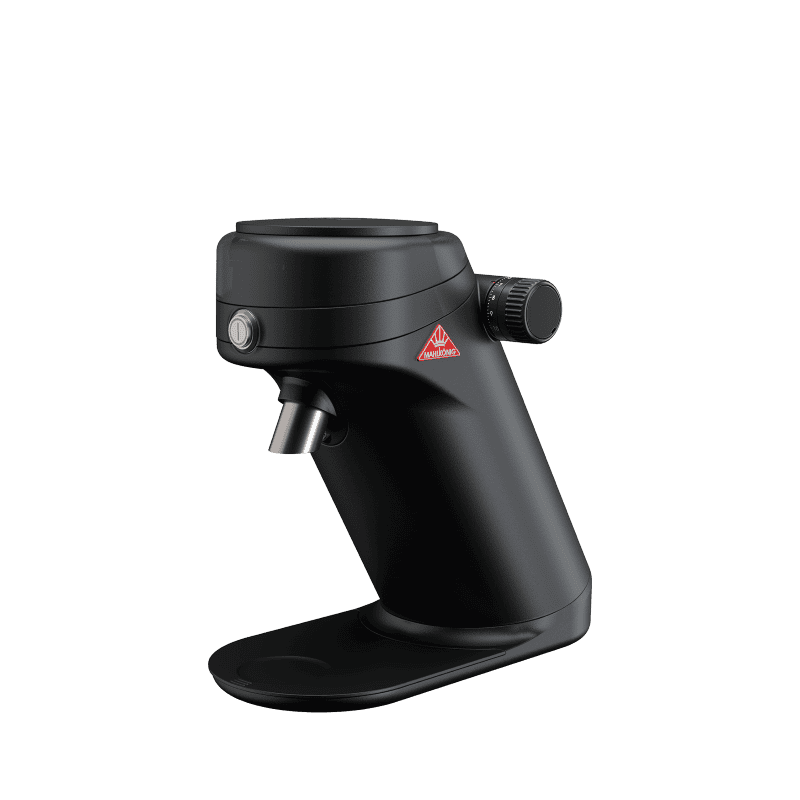
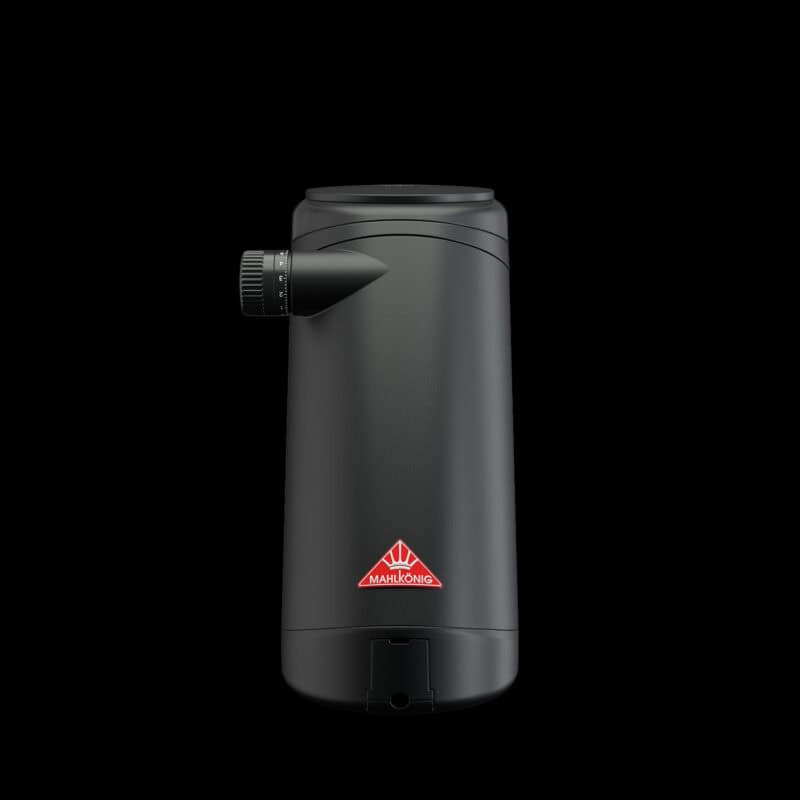
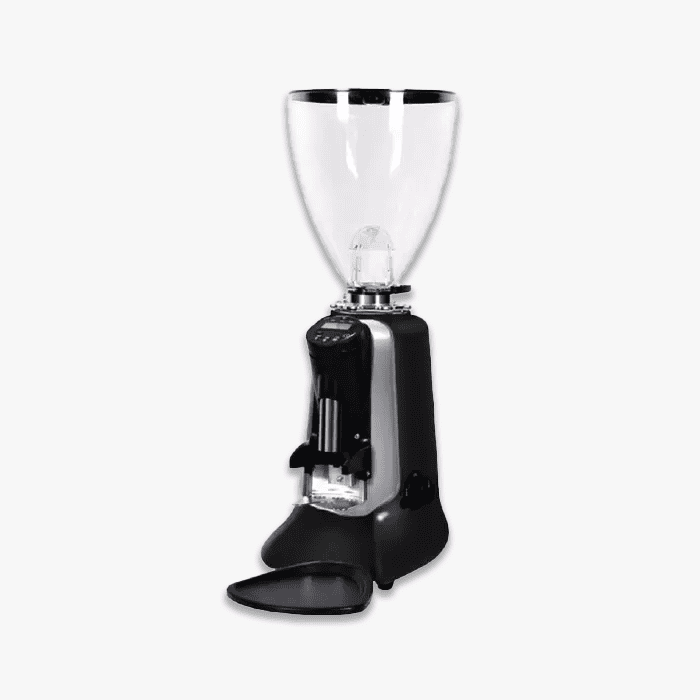
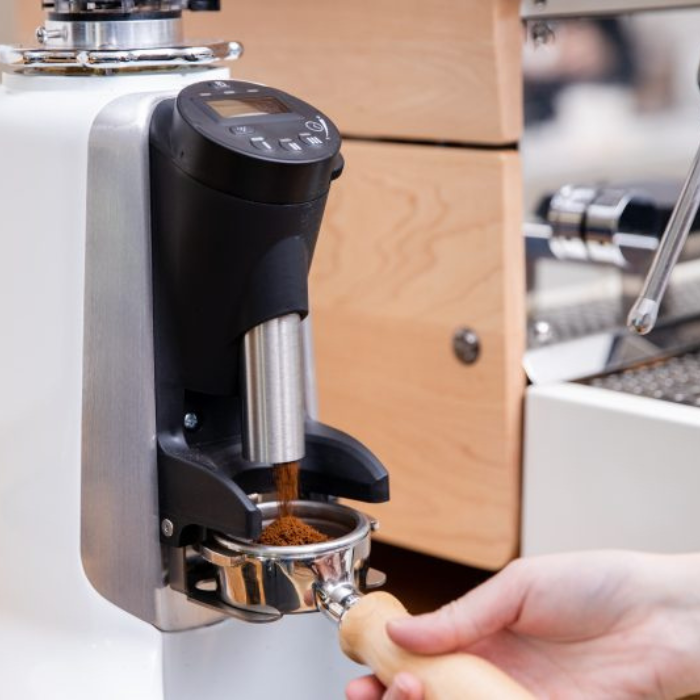



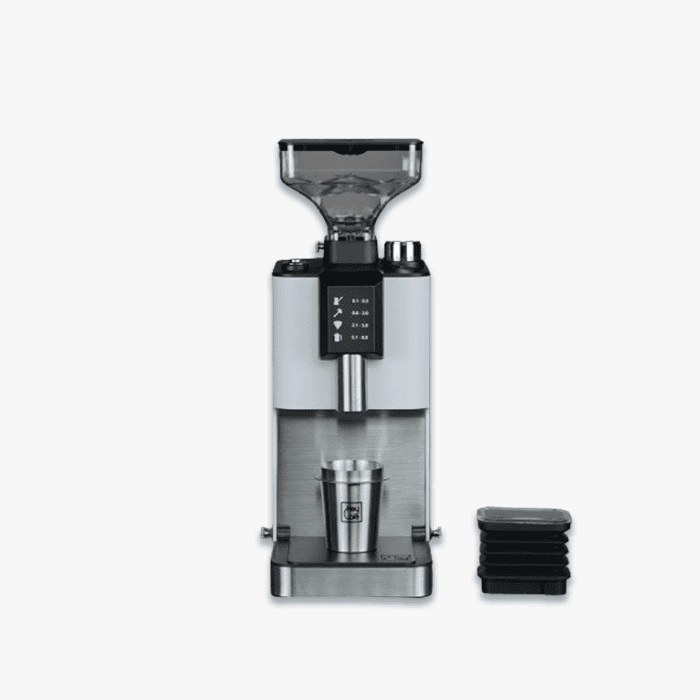
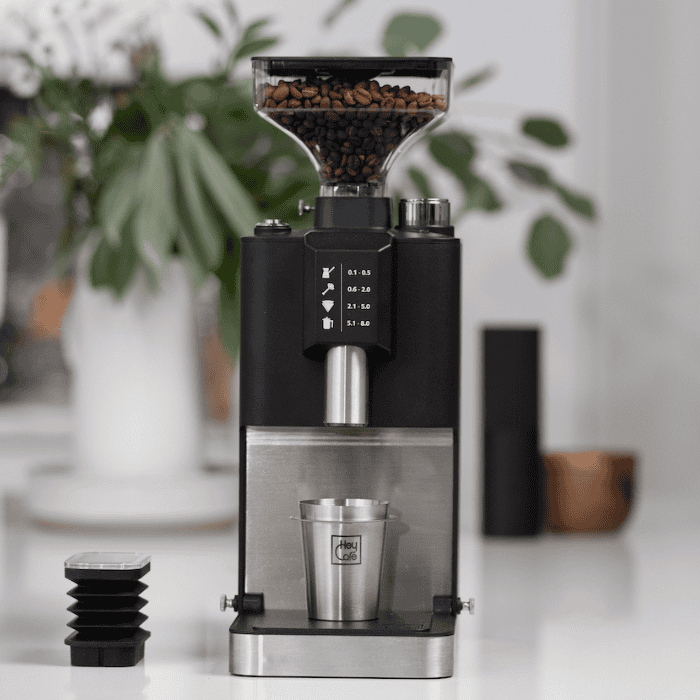
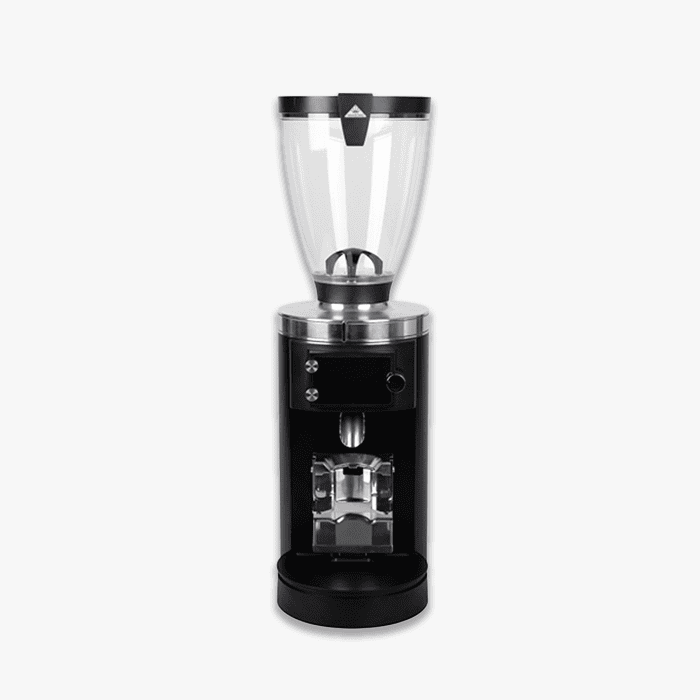
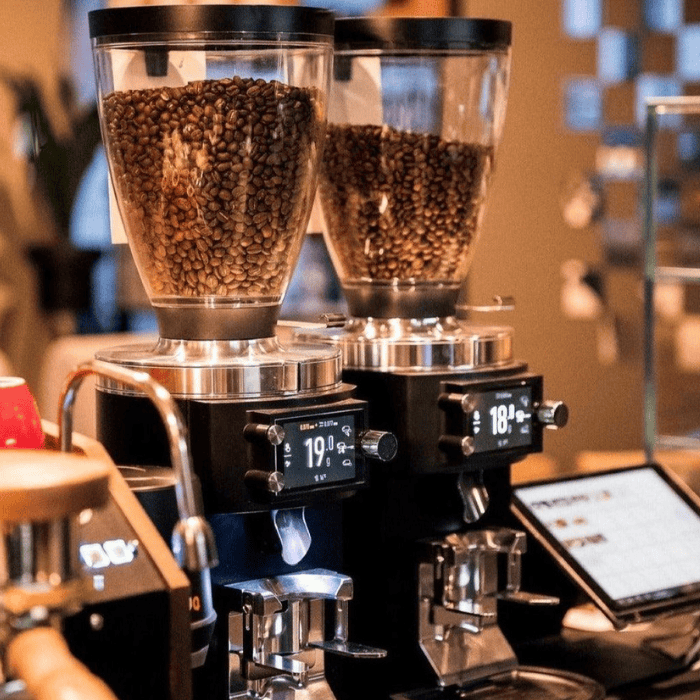
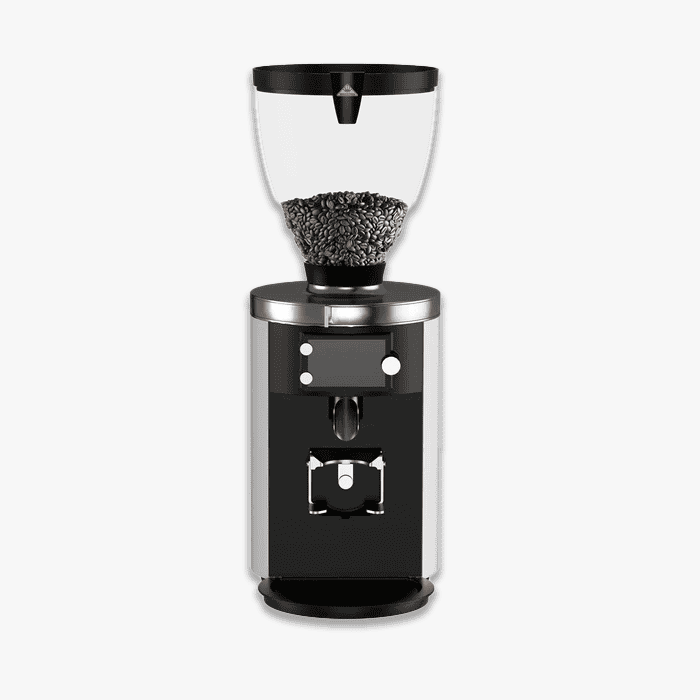

Types of Cafe Grinders Available
Understanding the different types of cafe grinders helps businesses choose the right machine for their operational needs:
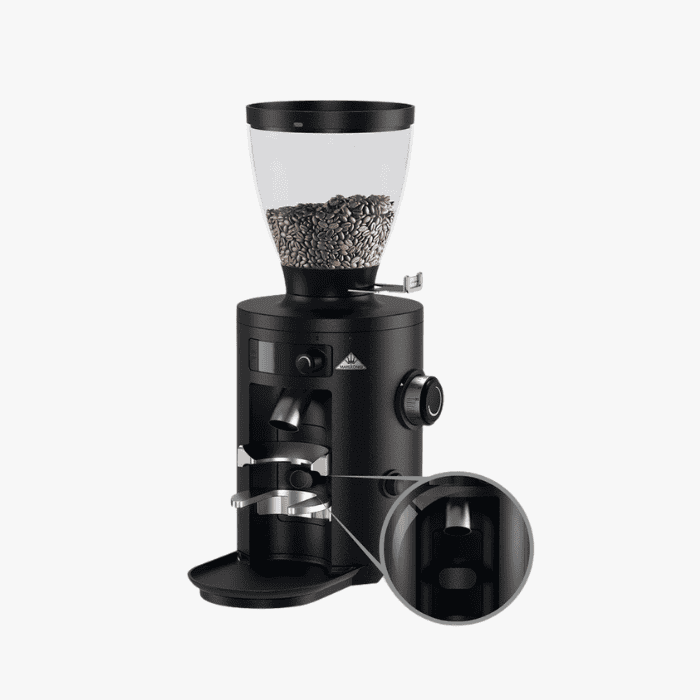
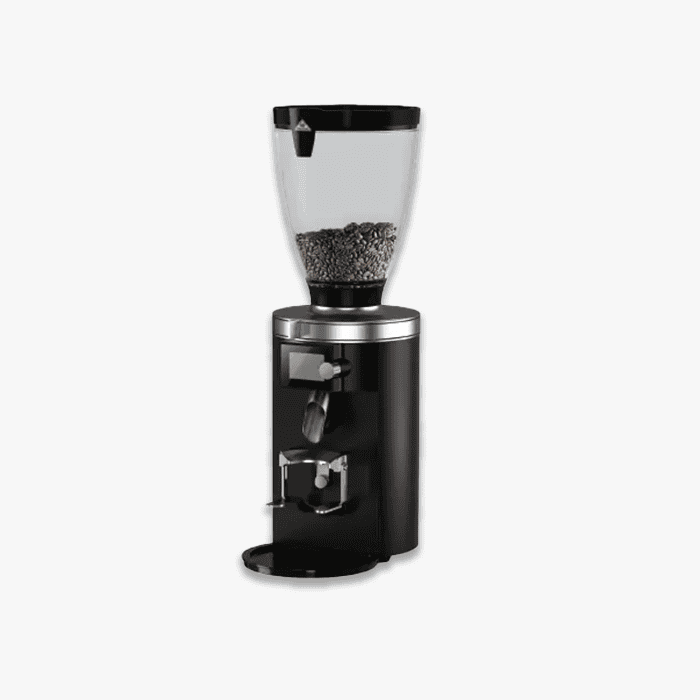
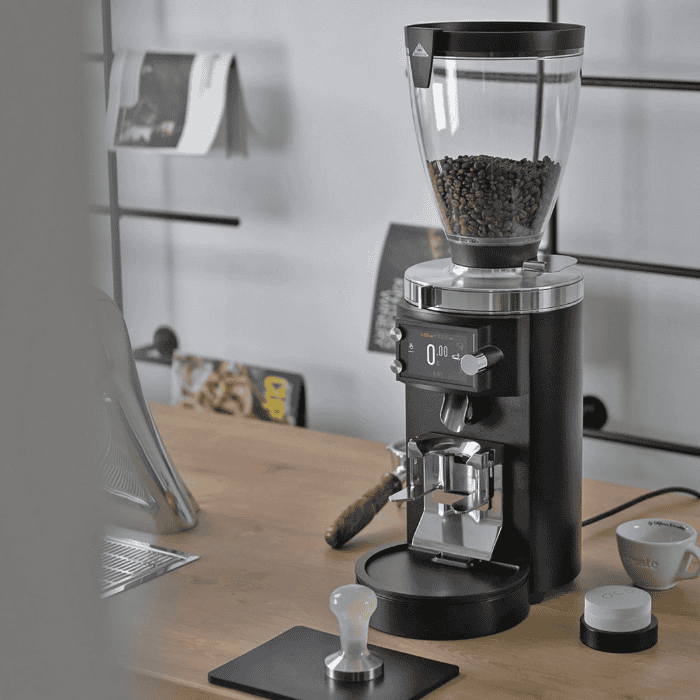
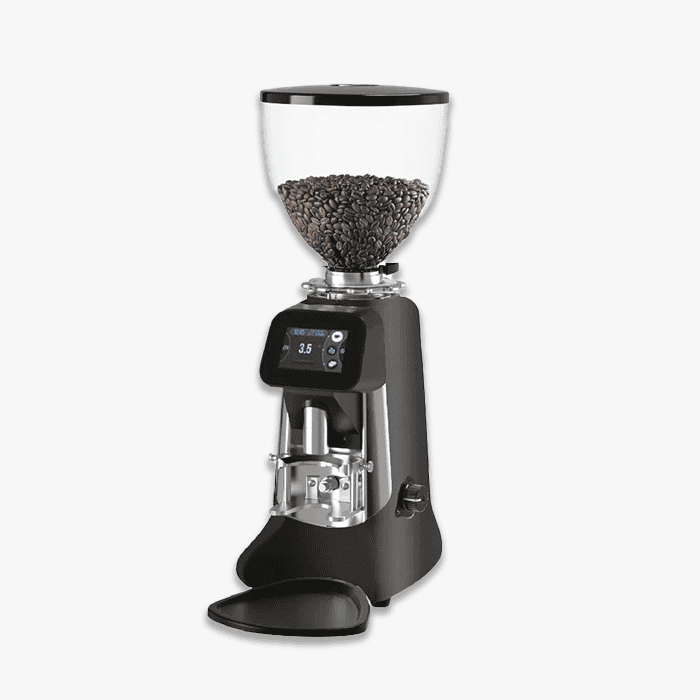
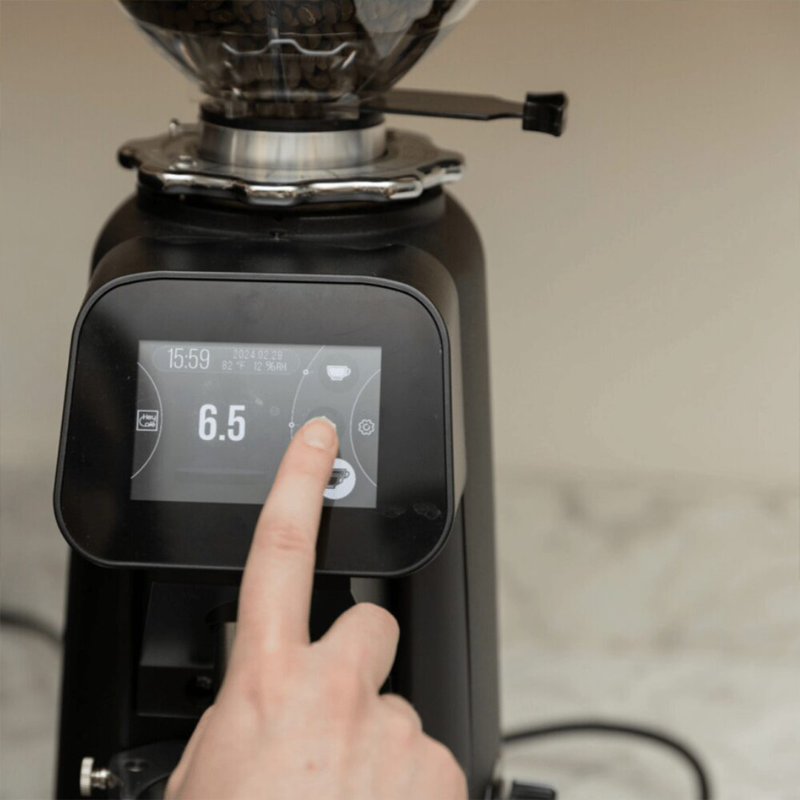
- Espresso Grinders: Designed for ultra-fine grinding required for espresso brewing. They offer micrometric adjustment, low retention, and high dosing accuracy—ideal for high-speed service in espresso bars.
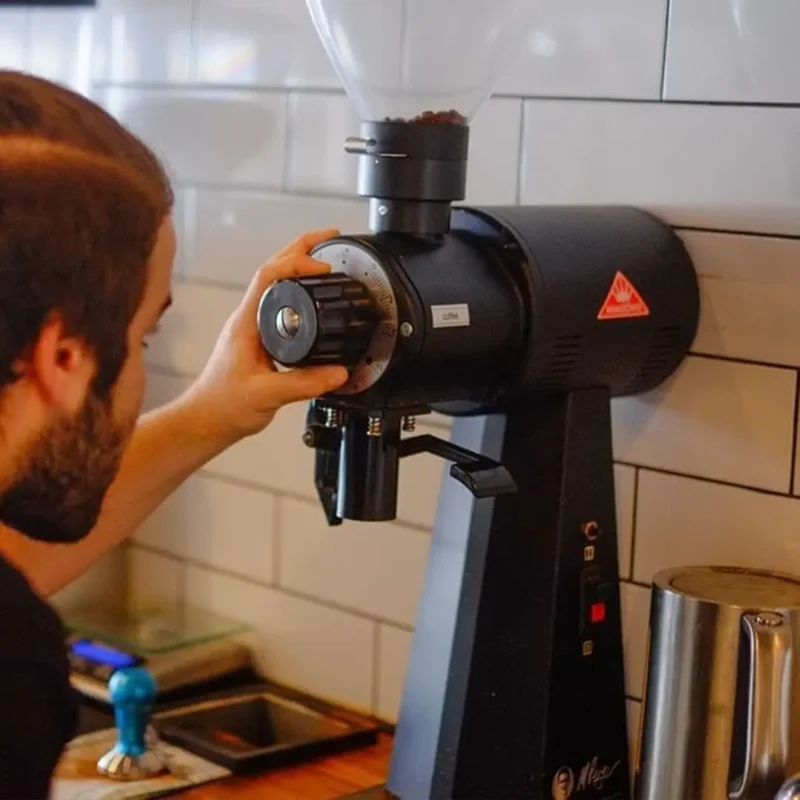
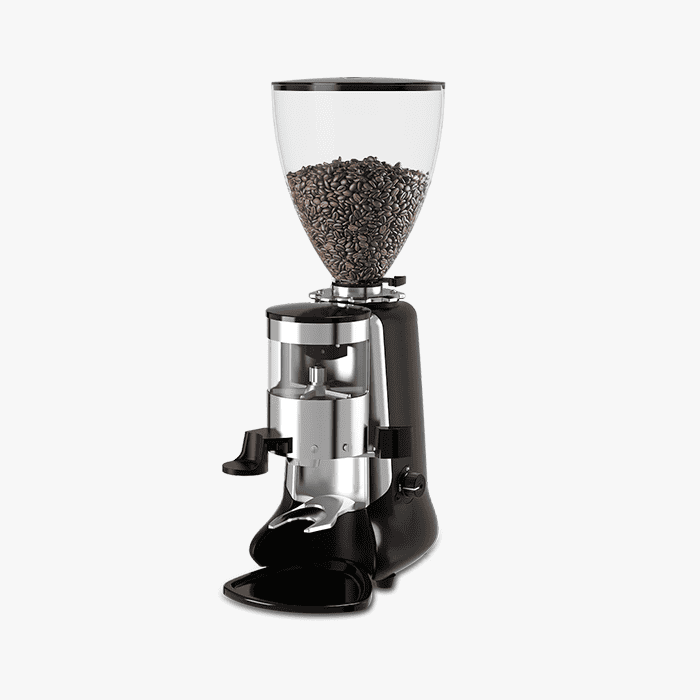
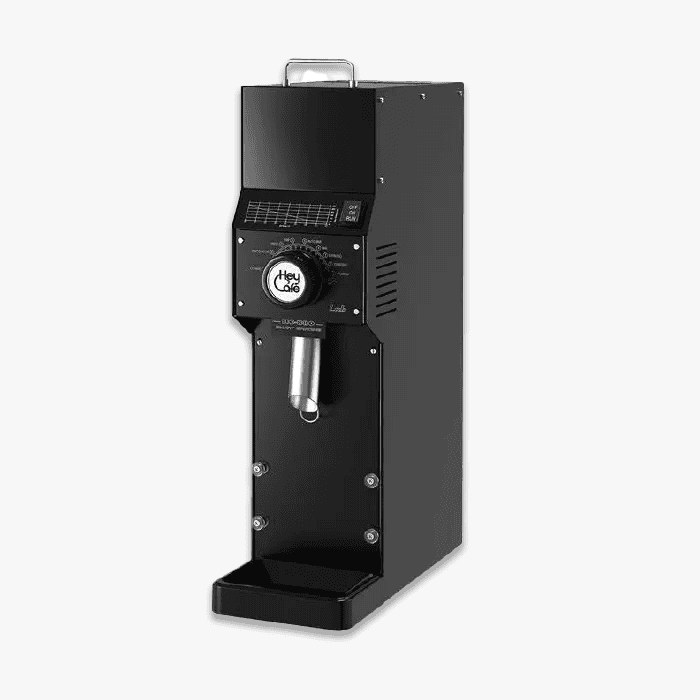
- Shop/Retail Grinders: Built for bulk grinding, these coffee grinder machines serve roasteries and retail setups. They produce consistent grinds across various coarseness levels for bag sales or different brew styles.
By selecting the appropriate category of coffee grinders, you optimize workflow, maintain consistency, and elevate the overall coffee experience in your establishment.
How a Cafe Grinder Impacts Coffee Flavor
The grind produced by a cafe grinder plays a crucial role in flavor development. Coffee flavor relies heavily on extraction, and extraction depends on grind size and consistency. Uneven grinds result in over-extracted bitter notes or under-extracted sourness. High-quality coffee grinders create uniform particles, allowing water to flow evenly during brewing. This is particularly vital for espresso, where precision is non-negotiable. In both shop and espresso environments, the right coffee grinder machine ensures the intended flavor profile of each roast is preserved and highlighted.
Features That Define a Professional Cafe Grinder
Not all cafe grinders are created equal—top-tier models stand out through smart engineering and user-friendly features:
- Stepless Grind Adjustment: Offers baristas infinite control to fine-tune the grind.
- Grind-by-Weight Technology: Automatically stops grinding once the target weight is reached.
- Programmable Dosing: Improves consistency and speeds up workflow.
- Powerful, Quiet Motors: Support continuous grinding with minimal noise.
These features allow coffee grinder machines to meet the high standards expected in premium coffee shops and busy retail environments.
Choosing the Right Cafe Grinder for Your Business
Choosing the ideal cafe grinder depends on several operational factors:
- Volume Requirements: High-traffic cafés need robust espresso grinders like the Mahlkonig E65S or E80S GBW, while retail roasters benefit from bulk machines like the Ditting KR 1403.
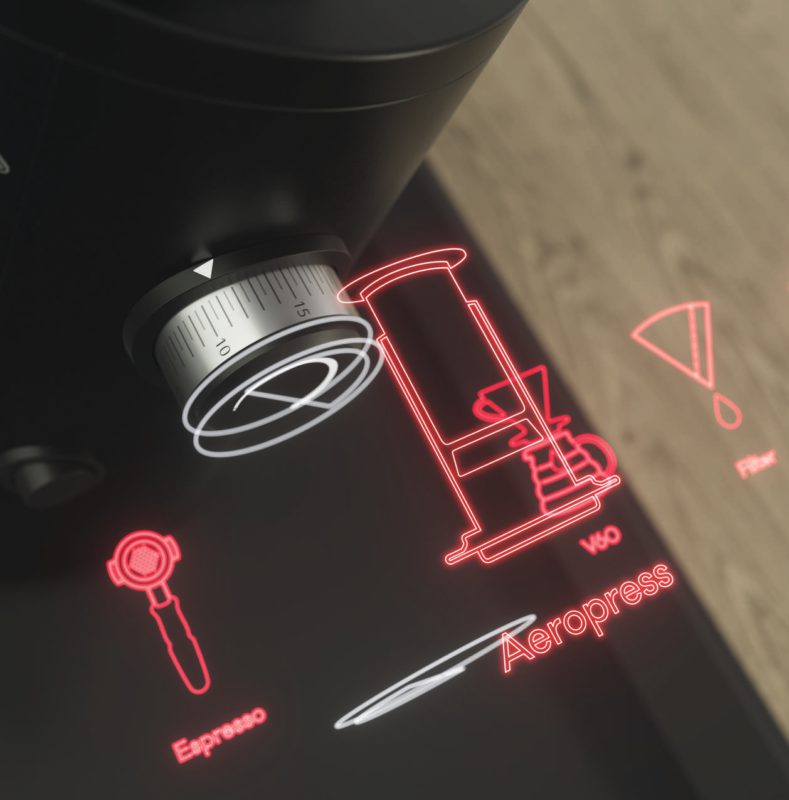
- Brew Methods: Specialty coffee shops may require grinders that can handle multiple brew types.
- Space & Workflow: Compact grinders with vertical design may better suit smaller bar counters.
- Making an informed decision on coffee grinders ensures efficient operations, repeatable quality, and long-term ROI.
Espresso Grinders: Precision for the Perfect Shot
Espresso brewing demands unmatched grind precision, and that’s where espresso cafe grinders come into play. These grinders produce fine, fluffy grinds optimized for pressure-based extraction. Key features include:
- Micrometric grind adjustments for dialed-in extractions
- Programmable single/double dosing
- High torque motors to maintain consistency under pressure
Machines like the Hey Café HC-600 Ver 2.0, Anfim Luna, and Mahlkonig E65S GBW are celebrated for their ability to deliver exceptional espresso consistency throughout service. For cafés focused on quality and speed, these coffee grinder machines are indispensable.
Shop and Retail Grinders for Bulk Grinding Needs
Retail environments and roasteries depend on shop and retail cafe grinders to grind multiple kilograms of coffee daily. These grinders must combine speed with particle consistency to meet the needs of bag sales, cuppings, or bulk brewing. Notable models like the Mahlkonig EK43, Ditting 807 Lab Sweet, and Hey Café Jack deliver:
- Large hopper capacities for extended grinding runs
- Cooling systems to protect coffee oils during grinding
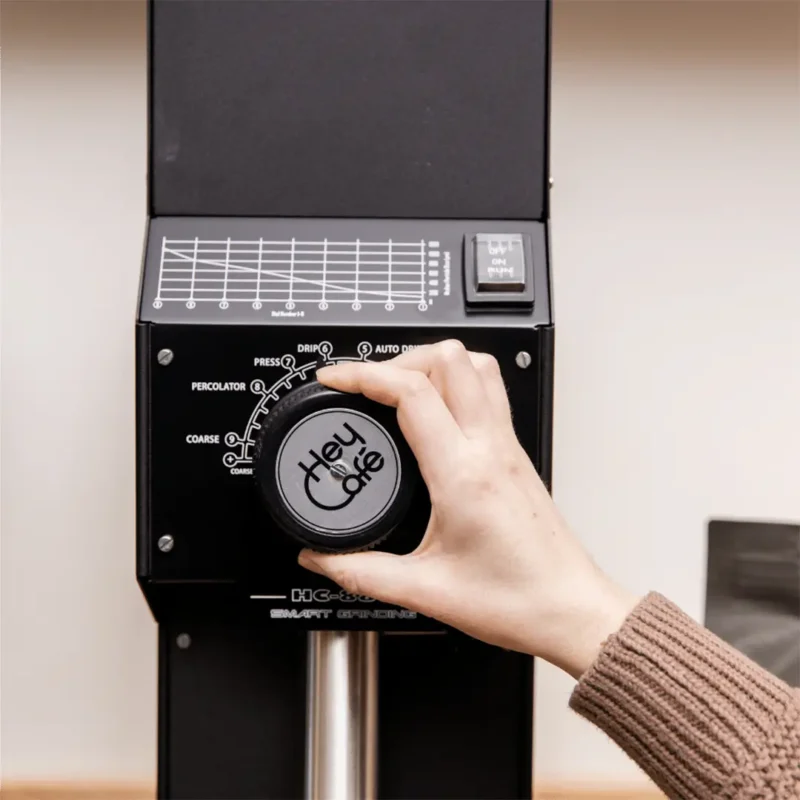
- Multi-range grind settings from espresso to cold brew
These coffee grinder machines are designed to grind fresh batches with precision, enhancing the customer’s take-home experience and ensuring consistent quality at scale
Espresso vs Retail Grinders: What’s the Difference?
Understanding the difference between espresso and retail cafe grinders ensures the right investment for your business:
- Espresso Grinders: Focused on consistency at fine settings, with low retention and timed or weight-based dosing. Examples include Mahlkonig E80S GBW and Hey Café Buddy on Demand.
- Retail Grinders: Prioritize volume and versatility, grinding for multiple brew types quickly. Machines like Ditting KR 1403 or Mahlkonig DK27 can produce bulk grounds with minimal recalibration.
Both types of coffee grinders serve distinct purposes but are equally important in their respective roles within café or retail operations.
Advanced Features in Espresso Grinder Machines
Today’s espresso cafe grinders offer cutting-edge features tailored for baristas and café owners who demand precision:
- Grind-by-Weight: Ensures precise dosing without manual weighing
- Digital Interfaces: Store multiple grind profiles and brew recipes
- Low Retention Designs: Reduce waste and preserve flavor consistency
- Stepless Adjustments: For ultra-fine control over grind settings
Whether you’re operating a specialty coffee bar or a fast-paced espresso line, these innovations in coffee grinder machines streamline service and ensure a consistent product every time.
Shop Grinders That Elevate Retail Coffee Experience
For roasters and retailers, shop cafe grinders must blend functionality with performance. These grinders handle diverse grind sizes and deliver high output without sacrificing consistency. Machines like the Ditting 807 Lab Sweet or Mahlkonig EK Omnia are engineered to:
- Handle multiple grind settings from Turkish to French press
- Maintain particle uniformity across large volumes
- Operate quietly and efficiently in open retail spaces
Such coffee grinders elevate your brand by ensuring customers experience the same quality at home that you promise in-store.
Heat Management in Coffee Grinder Machines
Heat generated during grinding can degrade coffee quality by stripping essential oils and aromas. Professional cafe grinders combat this with:
- Low-RPM motors to reduce friction
- Built-in fans or cooling systems
- Heat-resistant burrs made from specialized alloys
This focus on temperature control ensures that your coffee grinder machine preserves the bean’s integrity, especially during back-to-back service.
Noise Levels in Commercial Coffee Grinders
In open café layouts, grinder noise affects customer experience. Fortunately, modern cafe grinders now include:
- Sound-dampening designs
- Slow-speed, torque-heavy motors
- Rubber-mounted burrs and hoppers
A quiet coffee grinder machine not only improves ambiance but also enhances staff communication during service hours.
Maintenance and Cleaning of Cafe Grinders
Regular maintenance of your cafe grinder ensures consistent performance and extends lifespan. Top models are designed for:
- Easy burr access without special tools
- Removable hoppers and chutes for deep cleaning
- Firmware alerts for cleaning reminders
Keeping your coffee grinder machines clean ensures optimal performance, taste, and reliability in daily operations.
Energy Efficiency in Coffee Grinder Machines
Energy efficiency is a growing priority for sustainable cafés and roasteries. Many modern coffee grinders include:
- Auto-sleep and power-down modes
- Efficient motor designs to reduce energy draw
- Environmentally friendly manufacturing practices
These features make your cafe grinder more cost-effective over time while contributing to a greener business model.
Future Trends in Cafe Grinder Technology
The future of cafe grinders lies in automation, smart technology, and greater integration:
- IoT connectivity for syncing with espresso machines
- Cloud-based recipe storage
- Automated grind calibration and diagnostics
- AI-powered grind adjustment suggestions
Adopting next-gen coffee grinder machines not only enhances quality control but also prepares your business for future innovations in coffee service.
Conclusion: Partnering with Kaapi Machines
At Kaapi Machines, we partner with over 15 world-class brands to bring the most advanced cafe grinders,to the Indian market. Whether you’re setting up a boutique café or scaling a national chain, our curated portfolio—from precision espresso grinders to high-cap
Frequently Asked Questions (FAQs)
What is a cafe grinder and how is it different from a home grinder?
A cafe grinder is a commercial-grade coffee grinder machine designed for high-volume use in cafés, restaurants, and roasteries. Unlike home grinders, cafe grinders offer better durability, grind consistency, and features like stepless adjustment and programmable dosing.
Why is grind consistency important in a cafe setting?
Grind consistency directly affects flavor extraction. A high-quality cafe grinder ensures uniform particle size, resulting in balanced, flavorful coffee whether you’re brewing espresso, filter, or French press.
What are the main types of cafe grinders?
The two main types are espresso grinders, used for fine, precision grinding, and shop/retail grinders, used for bulk grinding across various brew methods.
Which grinder is best for espresso?
Espresso grinders like the Mahlkonig E65S, Hey Café Buddy on Demand, or Anfim Luna are ideal. They offer micrometric adjustment, low grind retention, and programmable dosing to ensure shot consistency.
What makes shop/retail grinders different?
Shop grinders such as the Mahlkonig EK43 or Ditting KR 1403 are built for high-volume, multi-purpose grinding. They offer large hopper capacity, broad grind range, and minimal heat generation.
Can one cafe grinder be used for multiple brew methods?
Yes, shop and retail grinders typically offer a wide grind range. Machines like the EK43 and 807 Lab Sweet can be used for espresso, filter, French press, or Turkish coffee, depending on the calibration.
How often should a cafe grinder be cleaned?
Daily cleaning of burrs and hopper is recommended in busy café environments. A deep clean should be scheduled weekly to maintain grind quality and machine longevity.
What features should I look for in a high-end espresso grinder?
Look for features like stepless adjustment, grind-by-weight technology, low retention, programmable dosing, and high torque motors for consistent, precise espresso shots.
Do coffee grinder machines affect the aroma of coffee?
Yes. Overheating or inconsistent grinding can lead to aroma loss. High-end cafe grinders are designed with cooling systems and efficient burrs to preserve the bean’s natural aroma.
How can I choose the best cafe grinder for my business?
Consider your daily coffee volume, brew styles, barista skill levels, and space availability. Espresso-focused cafés benefit from precision grinders, while retail operations need high-capacity shop grinders. Consult with equipment partners like Kaapi Machines for expert guidance.