Pull Real Espresso from the Semi Automatic Coffee Machine Range at Kaapi Machines

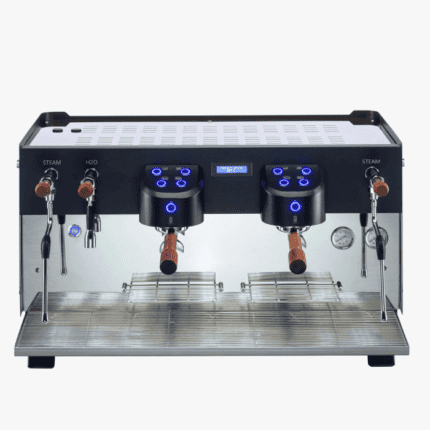
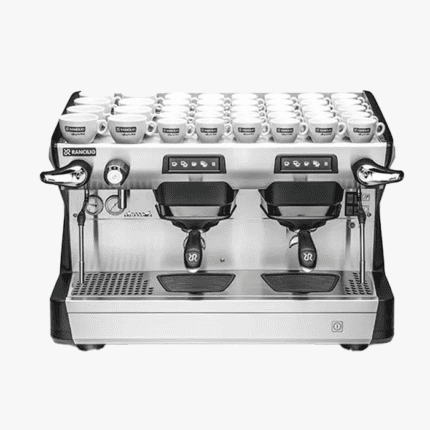
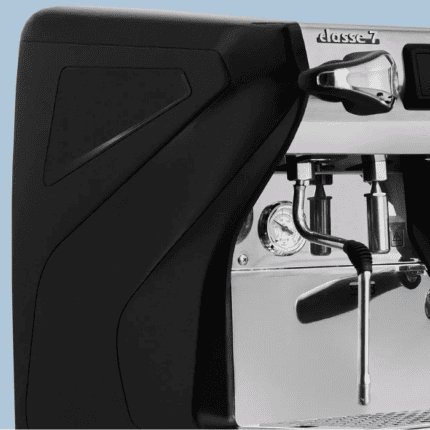
A semi automatic coffee machine is what professional baristas pull espresso on. Where a fully automatic bean to cup machine grinds, doses, tamps, and pulls the shot at a button press, a semi automatic coffee machine puts the operator in control of every variable. Grind, dose, tamp pressure, water temperature, shot timing, and milk steaming are all in the barista’s hands. The trade-off is skill: a great semi automatic espresso machine in untrained hands produces poor coffee. The reward is craft: a great semi automatic espresso machine in trained hands produces the espresso that turns a cafe into a destination. This page covers the full semi automatic coffee machine range at Kaapi Machines, organised by tier and brand, with the questions that decide which one belongs on your bar.

Showing 1–12 of 27 results

Product Categories

Frequently Asked Questions About Semi Automatic Coffee Machines

A semi automatic coffee machine puts the operator in control of grind, dose, tamp, shot timing, and milk steaming using a portafilter. A fully automatic bean to cup machine handles all of these steps internally and delivers the finished drink at the press of a button. Semi automatic produces craft espresso in trained hands; bean to cup produces consistent espresso in any hands. Cafes choose semi automatic for cup quality and barista craft; offices and self-service environments choose bean to cup for consistency without skill.
Yes, always. Unlike bean to cup machines, semi automatic espresso machines do not have built-in grinders. The matching commercial espresso grinder is essential and must be selected alongside the machine. Most cafes match the grinder brand and tier to the espresso machine: a La Marzocco bar typically pairs with Mahlkonig or Anfim, Rancilio pairs with Anfim or HeyCafe, and so on. Pre-ground coffee loses freshness within minutes and is never used on serious espresso bars.

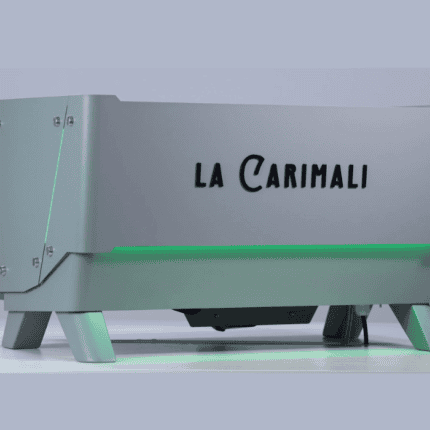
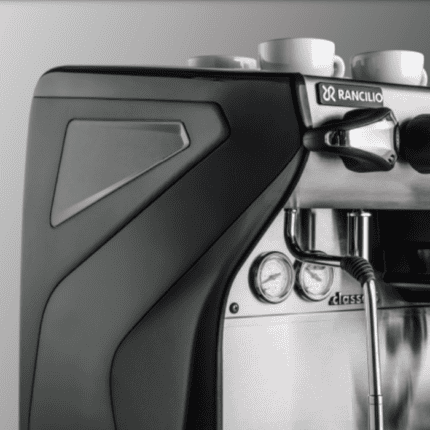
A well maintained commercial semi automatic coffee machine typically lasts 10 to 20 years in regular daily service. La Marzocco machines have a particularly strong reputation for multi-decade lifespan; Rancilio and Carimali typically run 12 to 15 years before major overhaul. Lifespan depends heavily on water quality, daily cleaning discipline, scheduled service, and operator competence. Sites running with hard water, skipped cleaning, and untrained operators see significantly shorter machine life.

Single group handles up to about 80 shots per hour at peak. Two group handles 150 shots per hour. Three group handles 250 shots per hour. The right number depends on peak hour throughput, not daily volume. A cafe pulling 400 daily shots concentrated in a 90-minute morning rush needs three group capacity even though daily averages might suggest two group is enough. Plan for peak hour pressure, not daily averages.
Modbar requires under-counter space for the brew module, steam module, and water module, plus cut-outs in the counter surface for the group heads and steam wand to mount through. Existing cafe bars may need significant counter rebuild to accommodate this. New cafe builds are the easier scenario for Modbar installation since the bar can be designed around the platform from the start. Speak to our team early in the design process for any Modbar project.
Top-tier specialty cafe semi automatic coffee machines hold group head temperature within 0.5 degrees Celsius across consecutive shots. Mid-tier commercial machines hold within 1 to 2 degrees. Temperature stability matters because espresso extraction is highly sensitive to temperature variation, and consistent shot quality across a busy bar depends on consistent temperature. La Marzocco and Modbar lead the specialty tier specifically because their saturated group head designs deliver tight temperature control.
Most commercial semi automatic coffee machines run on electrical heat (single-phase for compact machines, three-phase for larger commercial machines) and do not need gas plumbing. Water connection, drainage, and the right electrical capacity are the core infrastructure needs. Kaapi Machines confirms specific electrical and water requirements during the site survey for every machine model and configuration.
In many cases yes. Kaapi Machines offers trade-in valuations on existing commercial espresso machines as part of upgrade projects. Valuation depends on machine brand, age, condition, and current market demand for the model. La Marzocco machines retain trade-in value well; mid-market brands depreciate faster. Speak to our team early when planning an upgrade so the trade-in conversation can be coordinated with the new machine selection.